
Program Search
Programs for Every Stage of Your Learning Journey
Discover hundreds of flexible continuing education options tailored for lifelong learners—from high school students to working professionals—seeking certifications, career advancement, or personal enrichment.
Looking for a UVM course for credit? Explore UVM Advance where you can explore, upskill, get started, or even restart—one credit course at a time.
Accounting: Pre-MAcc Sequence
-
Type
University Coursework -
Format
Hybrid -
Semester
Fall, Spring, Summer
• Microeconomics
• Principles of Financial Accounting (Introductory Financial Accounting)
• Principles of Managerial Accounting (Introductory Managerial Accounting)
• Corporate Financial Reporting 1 (Intermediate Accounting 1)
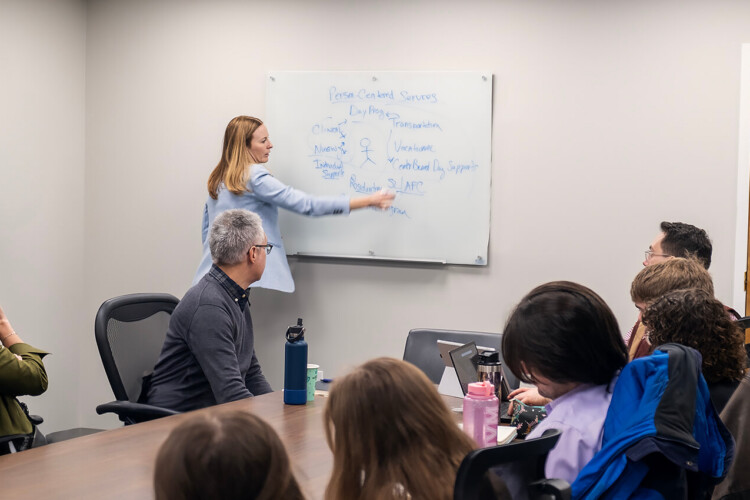
These UVM courses will provide an introduction to accounting and a gateway to the Master of Accountancy Program. Click to visit or contact MAcc@uvm.edu for further information.

Actuarial Exam Preparation
-
Type
Credit Certificate -
Format
Hybrid -
Semester
Fall, Spring, Summer
UVM’s Pre-Actuarial Certificate is for students with strong math skills and an undergraduate degree who want to pass the Actuarial Science certification exams and work as an actuary.

Agile
-
Type
Certificate -
Format
Online -
Semester
Fall, Spring, Summer, Winter
Project management is multidimensional depending on the project, industry, and team. MindEdge’s Agile program of coursework teaches the principles of time management. Agile Project Management is ideal for teams that must move quickly. Add this approach to your project management toolbox to be even more marketable to businesses and valued within your organization.

Certificate in Cybersecurity
-
Type
Credit Certificate -
Format
Online -
Semester
Fall, Spring
UVM’s certificate in Cybersecurity is designed to develop a comprehensive foundation in the knowledge and skills necessary for a career in cybersecurity.

Certificate in Gerontology
-
Type
Credit Certificate -
Format
Hybrid -
Semester
Fall, Spring, Summer
Challenge misconceptions about aging and replace them with information firmly grounded in reality.

Change Management
-
Type
Certificate -
Format
Online -
Semester
Fall, Spring, Summer, Winter
Leaders and managers are often called upon to deal with the challenging impacts of change, to work through disputes with partners and customers, and to resolve conflict within the organization. MindEdge’s Certificate in Managing Change and Resolving Conflict covers the key issues and best practices for managers dealing with contentious situations in the workplace.

Clinical HealthCare Certifications
-
Type
Certificate -
Format
Online -
Semester
Fall, Spring, Summer
Increase your earning potential and find rewarding work in one of the fastest-growing industries in the U.S. — healthcare through online training on-demand. Offerings include:
Medical Billing Specialist ● Electronic Health Records and Reimbursement Specialist ● Medical Coding and Billing Professional ● Mental Health Support Professional ● Phlebotomy Technician ● EKG Technician ● Cardio-Phlebotomy Technician ● Medical Laboratory Assistant ● Patient Care Technician ● Healthcare Administration Professional ● Sterile Processing Technician ● Surgical Technologist ● Surgical/Sterile Processing Technician ● Physical Therapy Aide and Administration Specialist ● Behavior Technician Specialist

Companion Animal End-of-Life Doula Professional Certificate
-
Type
Certificate -
Format
Online -
Semester
Fall, Spring, Summer
When a beloved animal is nearing end-of-life, stress can be high. Enter UVM’s End-of-Life Doula program specializing in companion animals.

Computer Software Certificate
-
Type
Credit Certificate -
Format
Hybrid -
Semester
Fall, Spring, Summer, Winter
Advance your career in an IT-related field, earn credits toward a computer science degree, or take the first step to become a software developer.

Contingency Management Professional Certificate
-
Type
Certificate -
Format
Online -
Semester
Fall, Spring, Summer, Winter
Learn to guide those with addiction toward better physical and mental health through contingency management, an evidence-based behavioral intervention wherein patients receive material incentives contingent on objectively-verified behavior change.
Credit Courses
-
Type
University Coursework -
Format
On Campus, Online, Hybrid -
Semester
Fall, Spring, Summer, Winter
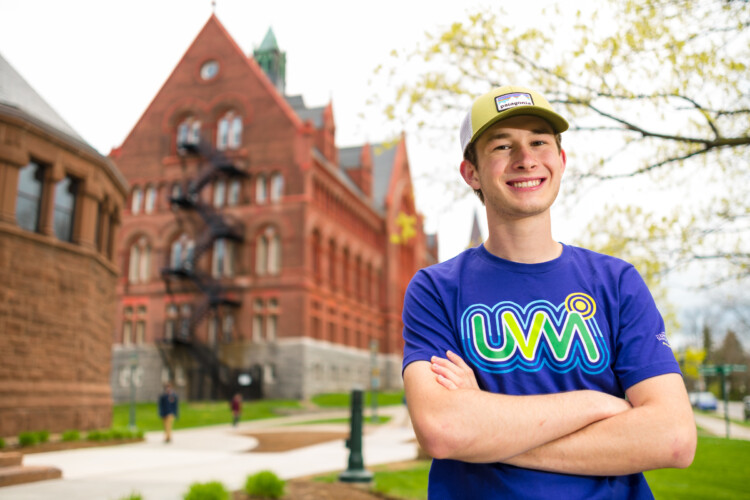
Refresh your knowledge, learn a new skill, pursue a passion, or prepare for an advanced degree with courses at UVM. Explore hundreds of options from American Sign Language to Creative Writing, Human Biology, Public Health, and more. Chart your path today.

Data Analytics
-
Type
Certificate -
Format
Online -
Semester
Fall, Spring, Summer, Winter
Modern business software produces mountains of data; it’s up to the professional to examine it and draw meaningful conclusions. MindEdge’s Data Analytics certificate and coursework will teach the fundamentals of quantitative analysis so you can not only read the trends but convert them into thoughtful business decisions.

Education and Social Services Professional Development Courses
-
Type
University Coursework -
Format
On Campus, Online -
Semester
Fall, Spring, Summer, Winter
We prioritize teaching, research, and services that are student-centered, family-focused, community-engaged, and culturally competent.

End-of-Life Doula Business Foundations Professional Certificate
-
Type
Certificate -
Format
Online -
Semester
Fall, Spring, Summer, Winter
This 8-week course, designed for end-of-life doulas, (or, as they are commonly called, death doulas) and other care professionals, helps demystify the fundamentals of running a business. You’ll explore foundational topics like defining your services, setting prices, marketing authentically, and building strong client relationships with confidence.

End-of-Life Doula Professional Certificate
-
Type
Certificate -
Format
Online -
Semester
Fall, Spring, Summer, Winter
UVM’s online End-of-Life Doula Professional Certificate prepares students for the increasing demand for end-of-life support. Start your end-of-life doula training today.

Geographic Information Systems (GIS) & Data Communication Certificate — Online GIS Certificate Program
-
Type
Certificate -
Format
Online -
Semester
Fall, Spring, Summer, Winter
Discover why UVM is a leader in training and certification in geospatial technologies with our GIS certificate program. Develop your skills for data-driven decision-making today!

Grief and Bereavement Specialist Professional Certificate
-
Type
Certificate -
Format
Online -
Semester
Fall, Spring, Summer
This program equips professionals with a deep understanding of the history, psychology, and cultural and developmental considerations related to grief.

Hospitality Management Professional Certificate
-
Type
Certificate -
Format
Online -
Semester
Fall, Spring, Summer, Winter
Gain the skills required to advance into hospitality management jobs in the travel, tourism, and event industries with our customizable five-course hospitality management certificate. Get ahead with one of the only programs to offer a paid internship.

Human Resource Management
-
Type
Certificate -
Format
Online -
Semester
Fall, Spring, Summer, Winter
HR is both the glue that holds a business together. It is the management of people; caring for their health and safety, managing their financial investment in the company, and fostering their growth within the organization and beyond. MindEdge’s HR certificate and coursework will give you a well-rounded foundation in the human resource management sector to keep your organization’s most valuable assets–its people–working smoothly.

Innovation & Entrepreneurship Professional Certificate
-
Type
Certificate -
Format
Online -
Semester
Fall, Spring
Turn ideas into outcomes in 4 weeks. Identify opportunities, design business models, and build a 90-day go-to-market plan you can put to work at your job or in your community.

Integrative Health and Wellness Coaching Program
-
Type
Certificate, Credit Certificate -
Format
On Campus, Online -
Semester
Fall, Spring
Help people make healthy lifestyle changes with our health and wellness coaching programs. UVM’s program meets the requirements for national board certification.

Integrative Healthcare Certificate
-
Type
Credit Certificate -
Format
Hybrid -
Semester
Fall, Spring, Summer
UVM’s Integrative Healthcare Certificate prepares students to understand traditional methods of healthcare with complementary care and self-care. Start your integrative health certificate today.

International Trade
-
Type
Certificate -
Format
Online -
Semester
Fall, Spring, Summer, Winter
Most businesses today operate on the global scale. The MindEdge International Trade program delves into the five realms of global trade: documentation, compliance, intercultural awareness, technology, and resources. The suite of courses prepares learners to take NASBITE’s Certified Global Business Professional™ exam.

Ketamine-Assisted Psychotherapy Training
-
Type
Certificate -
Format
Online -
Semester
Fall, Spring, Summer
In just 8 weeks, this 100% online certificate from UVM, an R1 research institution, equips licensed mental health professionals with the knowledge, tools, and ethical framework to integrate ketamine-assisted psychotherapy (KAP) into their practice.

Knowledge Transfer and Succession Planning Certificate for Leaders
-
Type
Certificate -
Format
Online -
Semester
Fall, Spring, Summer
UVM’s 4-week online succession planning certificate equips executive leaders, HR professionals, and change managers with a strategy to transfer knowledge across generations.

Leadership Essentials for Dynamic Organizations
-
Type
Certificate -
Format
Online -
Semester
Fall, Spring, Summer, Winter
Powered by MindEdge at UVM, this suite of courses is ideal for professionals looking to build critical competencies in managing teams, negotiating business deals, and utilizing data insights to drive organizational performance.
Offerings include: Leading and Managing Change ● Leading Teams ● Effective Business Writing ● Data Analysis for Improving Organizational Performance ● Negotiations: Making Business Deals
Legal Issues in Higher Education Conference
-
Type
Conference -
Format
On Campus, Online -
Semester
Fall
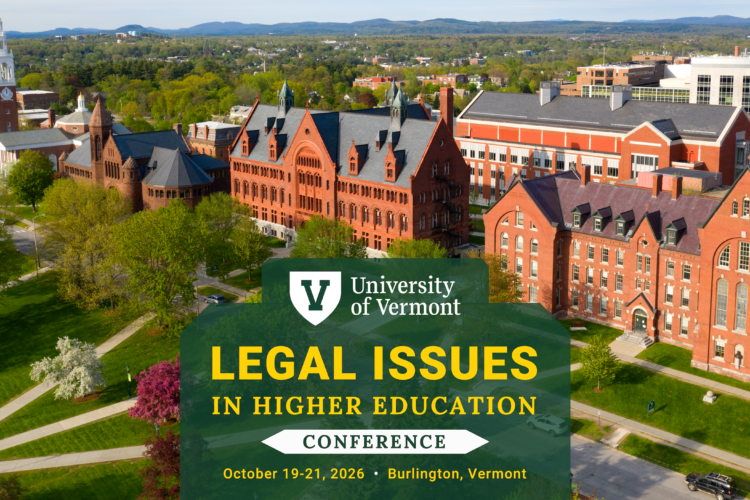
In partnership with the conference advisory board, the University of Vermont annually presents one of the nation’s premier legal conferences.

Manufacturing and Business
-
Type
Certificate -
Format
Online -
Semester
Fall, Spring, Summer, Winter
In the fast-paced manufacturing industry, staying ahead means constantly evolving training and retention strategies for your workforce. Training and workforce development programs are not just optional; they are essential. Employers can partner with UVM to access a range of customized courses, certificates, and advanced degrees. Choose a course today to increase your promotability, hone your skills, raise your profile, or explore a career interest.

MCAT Prep for UVM Students
-
Type
University Coursework -
Format
Online -
Semester
Fall, Spring, Summer, Winter
UVM and Kaplan have teamed up to provide students with an opportunity to save money and excel on the revised MCAT.

Menopause Care Professional Certificate
-
Type
Certificate -
Format
Online -
Semester
Fall, Spring, Summer
In just 4 weeks, this online menopause course fills the gap in menopause training and gives clinicians the confidence to assess, counsel, and co-create treatment plans with evidence-based perimenopause, menopause and hormone therapy (HRT) care.

Navigating Change and Life Transitions Professional Certificate
-
Type
Certificate -
Format
Online -
Semester
Fall, Spring, Summer, Winter
UVM’s Navigating Change & Life Transitions Professional Certificate is focused on embracing change of all types—unexpected or expected. Geared toward support professionals and anyone navigating significant life shifts, this 4-week, online transitions training offers practical ways to help you steady yourself in uncertainty and support others with clarity and care.

Non-Profit Management
-
Type
Certificate -
Format
Online -
Semester
Fall, Spring, Summer, Winter
Whether you’re looking for staff training at your organization or focusing on your own skills, MindEdge’s certificate program and courses in nonprofit management offer a comprehensive training program in topics from volunteer development and grant writing to fundraising and budgeting. Do a better job of doing good, with a Nonprofit Certificate from MindEdge.

Operations
-
Type
Certificate -
Format
Online -
Semester
Fall, Spring, Summer, Winter
Create a well-oiled machine. Become a well-oiled machine. MindEdge offers courses in Logistics and Distribution Management, Operations Management, Procurement and Supply Management, and Supply Chain Management Basics.
Osher Lifelong Learning Institute (OLLI)
-
Type
Workshop -
Format
On Campus, Online -
Semester
Fall, Spring, Summer
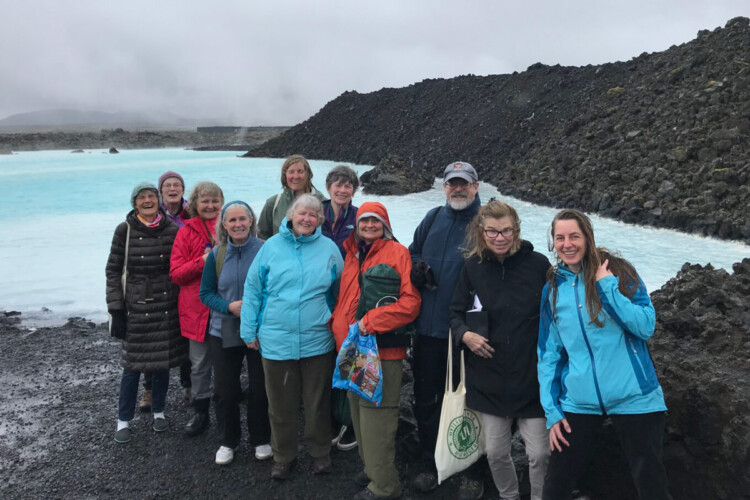
The Osher Lifelong Learning Institute (OLLI) at UVM provides year-round workshops and events that are diverse, interesting, fun, and affordable for a community of adult learners. Explore offerings on campus at UVM, across the state, and online.

Pediatric End-of-Life Doula Specialist Certificate
-
Type
Certificate -
Format
Online -
Semester
Fall, Spring, Summer
Offer compassionate, non-medical support to children at the end of life, along with care and guidance for their families and support networks. Through advanced training, you’ll gain the skills to navigate emotional, developmental, and family dynamics in pediatric end-of-life care with confidence and empathy.

Pet Loss Support Group Specialist Certificate
-
Type
Certificate -
Format
Online -
Semester
Fall, Spring, Summer
UVM’s Pet Loss Support Group Specialist Certificate is a 4-week online pet loss and grief support training focused on helping others through animal bereavement.

Post-Baccalaureate Medical Laboratory Science
-
Type
Credit Certificate -
Format
On Campus -
Semester
Fall, Spring, Summer
With UVM’s medical lab science program, you can get the training you need to be eligible for the American Society for Clinical Pathology certification. Start your career in diagnostic medicine today.

Post-Baccalaureate Pre-Medical Program
-
Type
Credit Certificate -
Format
On Campus -
Semester
Fall, Spring, Summer
UVM’s Post-Bacc Pre-Med program is your solution to realizing your future as a healthcare provider.

Pre-College Courses
-
Type
University Coursework -
Format
On Campus, Online -
Semester
Fall, Spring, Summer, Winter
High school students are invited to take on-campus or online for-credit courses throughout the year with current college students at UVM. Our entry-level courses—ranging from Art History to Wildlife Biology—are appropriate for high school students and UVM’s small class sizes are perfect for interacting with faculty.

Pre-RD Sequence
-
Type
University Coursework -
Format
Hybrid -
Semester
Fall, Spring, Summer
Through UVM, work towards obtaining a Verification Statement and being eligible to apply to internships or a Master’s degree.

Project Management Skills PMSCP Certification
-
Type
Certificate -
Format
Online -
Semester
Fall, Spring, Summer, Winter
These project management courses and simulations will teach you the best practices for running a project and ensuring success. Powered by MindEdge, the courses cover the domains of project management and can prepare you for high-stakes certification tests. Our courses carry PDUs across PMI’s talent triangle and span introductory and intermediate topics.

Resiliency-based & Trauma-Informed Practices
-
Type
Credit Sequence -
Format
Hybrid -
Semester
Fall, Spring, Summer
UVM offers this coursework to prepare educators and health professionals to address the complex challenges associated with trauma.

School Library Media Specialist
-
Type
Credit Sequence -
Format
Hybrid -
Semester
Fall, Spring, Summer
The University of Vermont offers graduate educational opportunities for those interested in school library media studies to earn licensure in Vermont or to acquire a graduate degree in school library media.
Self-Directed Career Growth Courses
-
Type
Certificate -
Format
Online -
Semester
Fall, Spring, Summer, Winter
UVM Professional and Continuing Education offers a variety of self-paced online courses through a partnership with education innovator MindEdge, Inc.

Sex and Intimacy Foundations for Professional Practice Certificate
-
Type
Certificate -
Format
Online -
Semester
Spring, Summer
UVM’s Sex and Intimacy Foundations for Professional Practice Certificate is a 4-week online certificate for therapists, counselors, healthcare providers, educators, and wellness practitioners. Through evidence-based, sex-positive, and trauma-aware coursework, you’ll gain practical tools to support patient and client discussions, including topics such as desire, communication, and common sexual concerns.

Six Sigma & Lean
-
Type
Certificate -
Format
Online -
Semester
Fall, Spring, Summer, Winter
Get quality certifications in quality management. MindEdge offerings include Six Sigma Green and Yellow Belt Prep Course and Exam, and Lean Six Sigma Green and Yellow Belt Prep Course and Exam.

SLP Pre-Master’s Track Program
-
Type
Credit Certificate -
Format
Online -
Semester
Fall, Spring
Offered fully online, UVM’s 19-credit Pre-Master’s speech-language pathologist certificate is designed for students interested in completing the required undergraduate coursework needed to apply to a master’s program.

SLPA Professional Certificate
-
Type
Credit Certificate -
Format
Online -
Semester
Fall, Spring
Get trained and certified with UVM’s SLPA program online. Our program meets all of the American Speech Language Hearing Association’s (ASHA’s) guidelines for the preparation of SLPAs.

Snowsports and Outdoor Adventure Recreation Professional Certificate
-
Type
Certificate -
Format
Online -
Semester
Fall
The UVM Snowsports & Outdoor Adventure Recreation (SOAR) Certificate is a 15-week online program that builds business, operations, and sustainability skills for the outdoor industry. Learn from Vermont’s recreation leaders and prepare for careers in ski resort management, outdoor marketing, and adventure tourism.

Strategic Leadership and AI Transformation Certificate
-
Type
Certificate -
Format
Online -
Semester
Fall, Spring
Learn to navigate uncertainty and plan strategically for what’s next. This course introduces practical tools and mindsets to explore future trends, build scenarios, and shape better outcomes. Ideal for professionals across sectors, you’ll gain skills to think long-term, spot emerging change, and lead with foresight in a rapidly evolving world.

TalkVermont
-
Type
Workshop -
Format
On Campus -
Semester
Learn the fundamentals of serious illness conversations and connect more deeply with your patients and their loved ones.

UVM Summer Academy: Pre-College Program for High School Students
-
Type
University Coursework -
Format
On Campus, Online -
Semester
Summer
Starting your college journey early while still in high school can open doors to unique opportunities and set students on a successful path. UVM Summer Academy has recently evolved to offer an even more immersive college campus experience program, perfect for motivated high school students to earn college credits through pre-college Summer U classes and to explore campus life.
We apologize for not being able to generate any results matching your search criteria. Our professional and continuing education courses, certificates, and graduate programs are constantly updated to ensure they meet the changing needs of our students and the industries they serve. Please try again with new search criteria or contact our support team for assistance in finding the perfect program for you.