
Great online teaching does more than deliver information. It builds confidence, sparks curiosity, and helps working adults gain real skills on their own schedule. That spirit is exactly what the University of Vermont celebrates with the Patricia A. Prelock Award for Excellence in Online Teaching.
This year, we are proud to recognize Eva Kinnebrew, PhD, an instructor with UVM Professional and Continuing Education (PACE), as a 2026 recipient. Eva teaches Remote Sensing Foundations, a cornerstone course in UVM’s GIS & Data Communication Professional Certificate.
Here’s what you’ll learn in this feature:
- Why Eva’s online teaching earned top honors
- How she makes complex technical skills accessible to adult learners
- What her course offers students pursuing careers in GIS and geospatial analysis
What the Prelock Award Recognizes
Named in honor of prior Interim President Patricia Prelock, an early champion of online teaching at UVM, the award originated during the 2021 academic calendar. It celebrates faculty who design and deliver outstanding online courses.
The award honors educators who excel in four areas: thoughtful course design, engaging instruction, inclusive excellence, and a strong sense of community. These qualities matter most for working adults who balance their studies with careers and family.
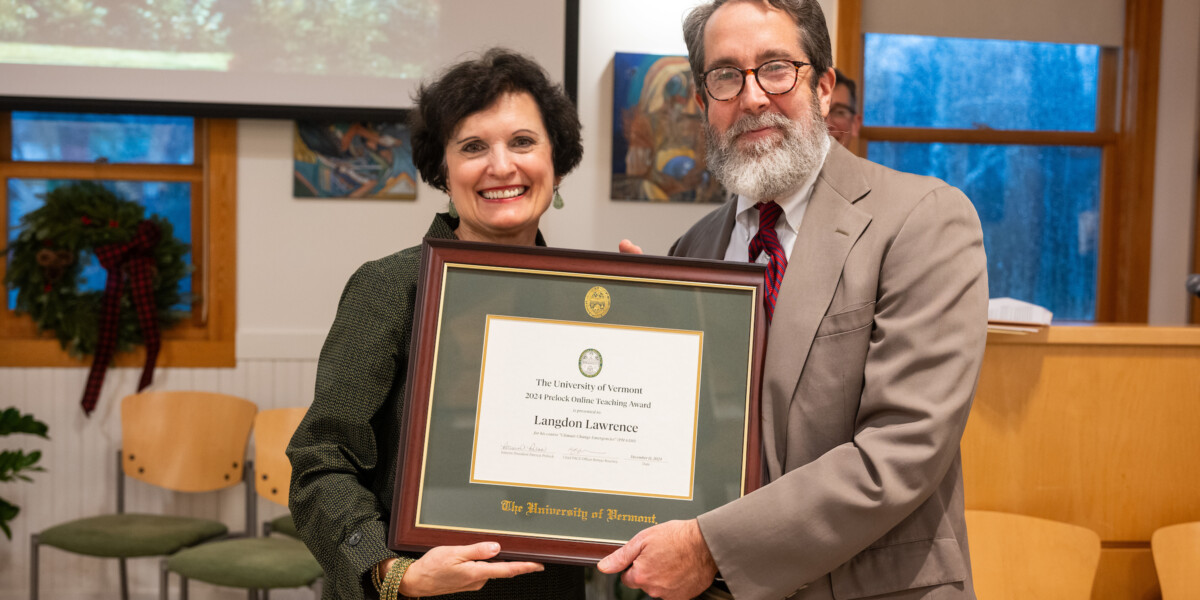
This year’s award drew a strong field of nominations across both credit and professional non-credit courses. Each recipient receives a framed certificate, a formal letter of accomplishment, and a $1,000 taxable cash award.
Why Eva’s Teaching Stood Out
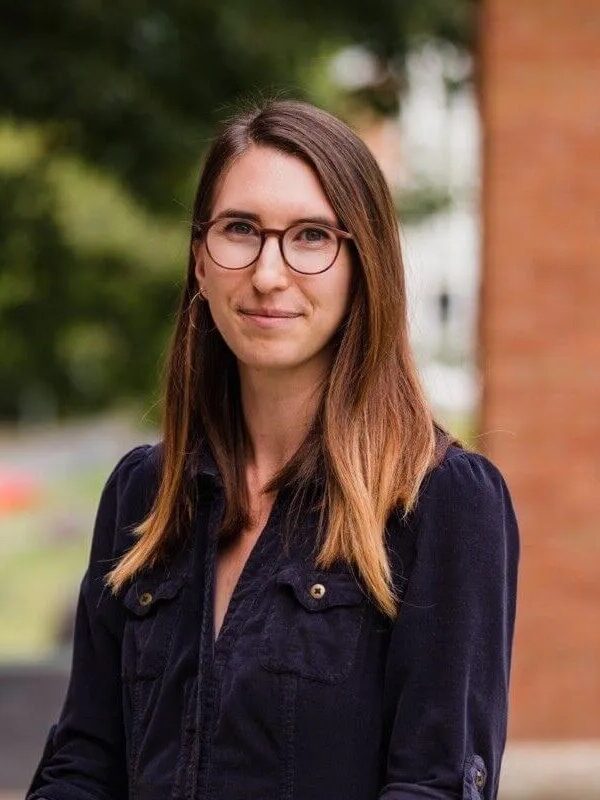
Eva’s asynchronous, non-credit course earned recognition for its innovative, student-centered approach. Teaching technical skills entirely online takes real thoughtfulness, and Eva delivered a learning experience marked by strong engagement and excellent student outcomes.
“As a passionate educator, receiving this award is an incredible honor and motivates me to keep improving to better support and engage my students.”
~Eva Kinnebrew, PhD, Instructor, University of Vermont
The evaluation committee praised her ability to make demanding material feel approachable. Here’s how she did it.
Clear organization and scaffolded learning
Learning complex software can feel overwhelming, so structure is everything. Eva built a highly organized, scaffolded design that lets students develop their skills step by step. Each lesson builds on the last, giving learners a steady path forward.
Instructor-generated micro-videos
To break down technical concepts, Eva created a library of short, instructor-led videos. These bite-sized lessons let students digest tough topics, revisit specific techniques, and learn at their own pace, anytime and anywhere.
“Because online classes can sometimes feel impersonal or disconnected, in this course I try to maximize ‘face time’ with the students by creating a wide array of videos and personalized content. I hope that by the end of the semester the students feel like they know me, even if they’ve really only interacted with me via recorded videos.”
Coding demonstrations and applied case studies
Eva connects theory to practice through hands-on coding walk-throughs. She pairs these demonstrations with applied case studies, so students understand not only how to use remote sensing tools, but why those tools matter for solving real environmental problems.
“One of the first things I did in this class was add more video tutorials to better explain and demonstrate the content each week. Previously, they were simply following the tutorials in the textbook, which certain students really struggled with. Now, the students can watch me code in real time, while I also explain the rationale for certain steps. I also show the possibility for errors and pitfalls in these videos — sometimes because I accidentally make the mistake myself! Because errors are such a common part of coding, it’s valuable for the students to see me trip these error codes (intentionally or accidentally) and then explain what they mean and what to do next.”
Accessibility, inclusion, and support
Eva designed her course so students of all technical backgrounds could thrive. By prioritizing accessibility in her materials and maintaining a warm, encouraging presence, she created an online space where every learner felt supported.
“Overall, my priority in teaching is making sure students are supported and engaged — I want students to feel like they have all the resources they need to succeed, while also feeling comfortable reaching out to me via office hours, the online discussion forum, or email.”
Bottom line: Eva turns a highly technical subject into an inclusive, well-paced learning journey that works for busy professionals.
Inside Remote Sensing Foundations
Remote Sensing Foundations is a key course in UVM PACE’s GIS & Data Communication Professional Certificate. The certificate helps students turn massive amounts of geospatial data into useful information that solves real-world problems.
Remote sensing is the science of obtaining information about objects or areas from a distance, typically from aircraft or satellites. Read more about remote sensing at NOAA.gov.
In Eva’s course, students explore the fundamentals of remote sensing theory and image processing using the Google Earth Engine platform. They learn to work with satellite imagery, develop geospatial workflows, and apply image processing techniques to environmental challenges.
“This GIS course is designed to equip students with essential skills that are increasingly in demand across various industries. Receiving this award reaffirms the importance of this work and inspires me to continue empowering students to succeed in this impactful field.”
The course is fully online and asynchronous, making it a strong fit for working adults. Any coding background is helpful but not required, so learners can join with confidence whether they are new to the field or building on existing skills.
Who the course is for
This course is a great match if you want to:
- Build practical, in-demand skills in remote sensing and geospatial analysis
- Advance your career or move into a new field like environmental science, urban planning, or conservation
- Learn flexible, online coursework designed around a working schedule
Eva’s Research Background
Eva brings more than classroom expertise to her teaching. She is an ORISE researcher with the United States Department of Agriculture whose work spans land use change, agroecology, climate change, biodiversity, and environmental justice.
That active research keeps her instruction grounded in current, real-world practice. Her students benefit from fresh perspectives and examples drawn directly from the field, connecting their coursework to the challenges shaping our environment today.
Celebrating Excellence in Online Teaching
Eva Kinnebrew’s recognition reflects the depth of talent within UVM’s educational community. Her thoughtful course design, clear communication, and inclusive approach show what high-quality online teaching looks like.
Most importantly, her work empowers adult learners to gain skills without putting their lives on hold. That is the heart of the Prelock Award, and Eva embodies it beautifully.
Map the Way Forward in YOUR Career
Ready to build skills like Eva’s students? UVM Professional and Continuing Education offers flexible online programs designed for your success. Explore the GIS & Data Communication Professional Certificate and take your next step today.