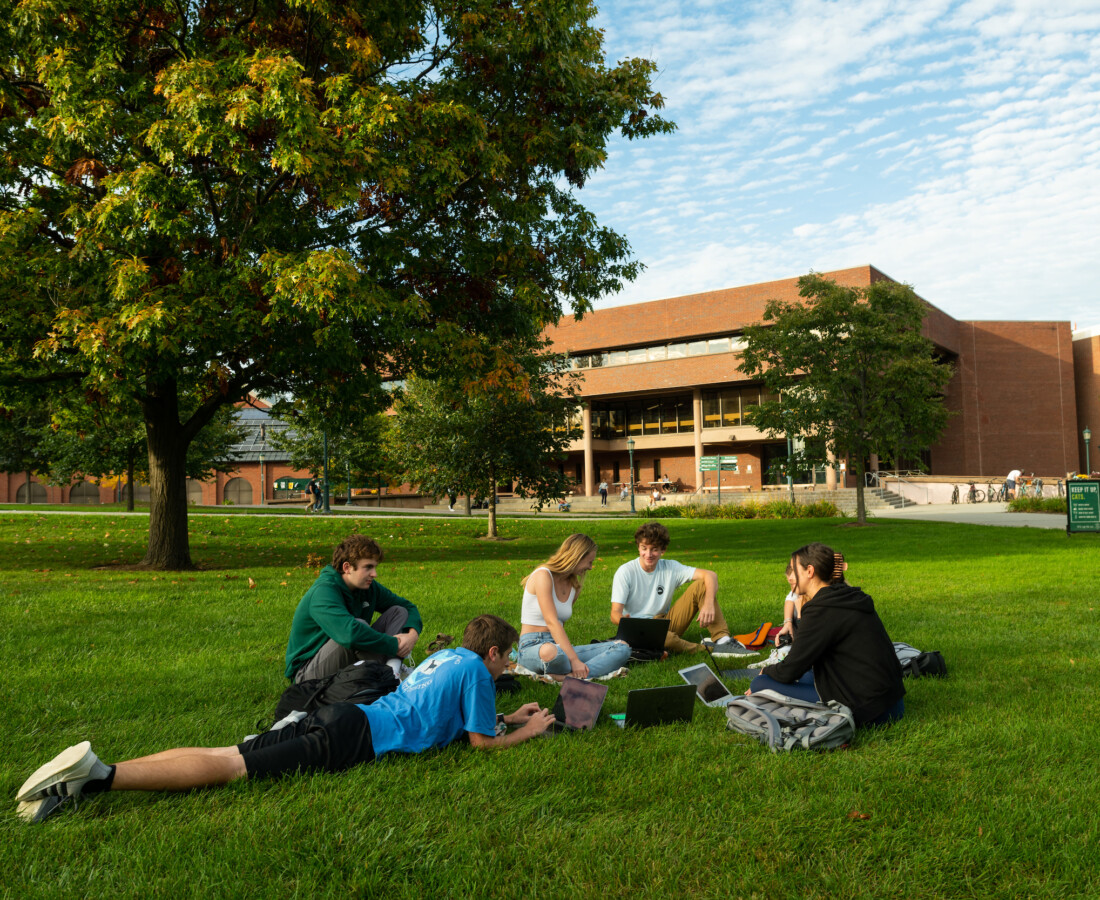

For many high school students, summer isn’t just a break—it’s a chance to get ahead. The University of Vermont offers Pre-College programs that allow students to earn college credits or explore new subjects for personal and academic growth. These flexible pathways help students prepare for the future. Understanding the difference between credit-bearing and enrichment programs is key for families to make informed choices about cost, eligibility, and long-term benefits.
Choosing the Right Summer Learning Path
High school summer programs at University of Vermont help students explore their interests and earn college credit before graduation. Learn how college credit summer courses compare to summer enrichment programs for high school students.

What Are College Credit Summer Programs?
College credit programs allow high school students to take real college courses and earn transferable credits. UVM’s Pre-College Programs let high school students earn college credits, explore career interests, and strengthen college applications through on-campus or online courses.
How It Works:
- High school students, sophomores through senior year (including the summer after graduation) may earn college credit in one or more courses alongside peers and other UVM students.
- Choose from hundreds of UVM courses in a variety of learning formats.
- Courses are taught by UVM faculty and meet the same academic standards as undergraduate classes.
- Credits earned are transferable to most colleges nationwide, depending on institutional policies.
- Vermont juniors and seniors may qualify for dual enrollment vouchers issued by the Vermont Agency of Education. These vouchers cover tuition for up to two college courses taken before high school graduation.
Benefits of College Credit Programs:
- Save on college tuition: State-funded vouchers make dual enrollment affordable for Vermont residents.
- Ease the college transition: Students practice time management and critical thinking in a college setting.
- Strengthen college applications: Admissions officers recognize early academic initiatives.
- Explore majors early: Subjects such as biology, computer science, and psychology help students test career interests before college.
For eligibility details and how to apply for Vermont Dual Enrollment, see UVM’s guide to dual enrollment vouchers for high school and pre-college students.
What Are Enrichment Summer Programs?
Enrichment programs are designed for exploration rather than credit. UVM’s Summer Academy program is a premier on-campus summer experience, and serves as an excellent bridge between high school and college, offering a glimpse into independent living on campus at UVM and preparation for a real credit-bearing course taught by UVM’s expert instructors.
How It Works:
- UVM Summer Academy is a one-week college immersion program for high school students: rising juniors, seniors, and recent graduates.
- Participants will live on campus with a cohort of other high school students while gaining independence and a true head start into life at UVM.
- This experience includes managing a collegiate schedule with various workshops, classes, and activities throughout the week, all while enjoying the same campus amenities as UVM students.
- In addition to Summer Academy, students have the opportunity to enroll in a four- or six-week Summer U credit course in May, June, or July to earn transferable credits towards their academic future.
- These programs are open to all students regardless of GPA or grade level.
- The emphasis is on curiosity, confidence, and connection, not academic performance.
To help you navigate your options, we spoke with Aimee Adrian, UVM Pre-College Advisor, for a FAQ to answer the most common questions about UVM Summer Academy.
“Summer Academy is designed to maximize both in-person and academic learning. The program is built around one intensive residential week on UVM’s campus. During this phase, students enjoy a summer college campus program, living in dorms, forging friendships, and beginning their college journey together.
After this immersive introduction, students can choose to enroll in four weeks of a summer class of their choice through UVM’s Summer U, available online from early July to early August. This arrangement lets students build peer relationships and gain independence learning how to navigate a college campus and schedule, and then focus on the academic aspect through Summer U classes.”
— Aimee Adrian, UVM Pre-College Advisor
Benefits of Enrichment Programs:
- Discover new passions: Ideal for students exploring potential majors.
- Build confidence: Learn college-level material in a supportive, low-stakes environment.
- Develop soft skills: Communication, teamwork, and independent learning are key outcomes.
- Connect with peers: Students meet others with similar interests across Vermont and beyond.
Parents can learn more about these supportive experiences in Why parents enroll high school students in UVM’s Pre-College Summer Academy.

Credit vs. Enrichment: A Quick Comparison
| Feature | College Credit Programs (Summer U Courses) | Enrichment Programs (Summer Academy) |
| Purpose | Earn college credits toward a degree | Explore interests, build confidence |
| Eligibility | Typically sophomores through senior year | Open to rising juniors, seniors, and recent graduates |
| Duration | 3–6 weeks (for-credit) | 1 week (non-credit) |
| Cost | Covered by Vermont dual enrollment vouchers for eligible students | Varies by program; some scholarships available |
| Outcome | Transferable college credits and transcript | Certificate of completion or personal enrichment |
| Ideal For | Students ready for academic challenge | Students exploring college readiness |
For many families, a hybrid approach works best: starting with an enrichment program to build confidence, then advancing to a credit-bearing course the following summer.
Understanding Vermont’s Dual Enrollment Advantage
Vermont’s Dual Enrollment Program, supported by the Agency of Education, allows eligible juniors and seniors to take up to two tuition-free college courses at participating institutions, including the University of Vermont.
This initiative is part of the Flexible Pathways program, which helps students personalize their learning and align it with future career goals. Families can apply through their high school guidance office or the Agency of Education’s website.
For eligibility details and how to apply, see UVM’s guide to dual enrollment vouchers for high school and pre-college students.

Real-World Impact: What Students Gain Beyond the Classroom
UVM’s Pre-College programs do more than boost transcripts; they nurture independence, responsibility, and direction. Students gain exposure to university-level expectations and mentorship from UVM faculty.
For instance, after attending a workshop and visiting a geospatial lab during a UVM Summer Academy program, one student developed a passion for environmental mapping. This early exposure inspired them to explore the university’s GIS programs, shaping their future academic and career interests.
These experiences build confidence for future college transitions, supported by UVM’s strong record in pre-college success.
How to Choose What’s Best for Your Student
When comparing enrichment and credit-bearing programs, consider three key factors:
- Academic Readiness: Students comfortable with rigorous coursework and independent learning often thrive in for-credit programs.
- Exploration Goals: Enrichment programs are ideal for students still discovering academic and career interests.
- Long-Term Objectives: Those planning to attend college soon can benefit from earning transferable credits early.
For additional guidance on evaluating which program is the right fit for your high school student, schedule a virtual meeting with a pre-college advisor to discuss your options.

FAQs
1. Can Vermont students take UVM courses for free through dual enrollment?
Yes. Vermont residents enrolled in an eligible high school or approved independent school may use up to two state-issued vouchers to take UVM courses tuition-free, pending approval by the Vermont Agency of Education.
2. Do enrichment programs appear on a college transcript?
No. Enrichment courses are non-credit, though students receive a certificate of participation.
3. Can out-of-state students enroll in UVM’s Summer Academy?
Yes. Out-of-state students are welcome and encouraged to apply for Summer Academy.
4. How does UVM’s program compare nationally?
UVM’s combination of Vermont-based access, online flexibility, and university-level instruction provides a high-quality, affordable alternative to more expensive regional programs.
5. When should families apply?
Applications for Summer 2026 typically open in February, and then classes are available for registration in early March. Early registration ensures the best course selection.
High School Students, Bright Futures
Choosing between credit and enrichment summer programs is about more than coursework; it’s about building confidence, discovering passions, and gaining momentum for college and beyond.
Through University of Vermont, students access high-quality, flexible programs that open doors to college success and lifelong learning.