
Every journey at life’s end is unique. Families face emotional, spiritual, and practical needs that go far beyond medical care. End-of-life doulas, also known as “death doulas,” can step in to provide support, guidance, and comfort during this profound time. But did you know that end-of-life doula work is not one size fits all? Many death doulas choose to specialize in specific niches, allowing them to offer tailored care that aligns with their strengths, values, and passions.
UVM instructors and experienced death doulas from the University of Vermont’s End-of-Life Doula Certificate program share insights to help you tailor your services to address particular needs, ensuring that your support is as relevant and powerful as possible.
What Are End-of-Life Doula Specializations?
An end-of-life doula specialization is a particular focus area within the broader field of doula practice. It’s a way for a doula to concentrate their skills and passion on a specific aspect of the end-of-life journey. Much like how nurses or counselors might choose to specialize in areas such as pediatrics, oncology, or family therapy, end-of-life doulas can cultivate deep expertise in certain facets of end-of-life care.
Choosing a specialization allows you to refine your knowledge and skills, which not only deepens the impact you can have on your clients but also helps you connect more effectively with the families and communities that need your unique skillset most.
If you are exploring this meaningful career path, understanding the different end-of-life doula specializations can help you find your niche and your calling.
Common Specializations in End-of-Life Doula Work
While no two doulas follow the exact same path, here are some of the most common and rewarding specializations. Each area allows doulas to bring their strengths to families and communities in meaningful ways:

Grief Support and Bereavement
End-of-life doulas who focus on grief support help families navigate the emotional challenges that come before and after a death. This might include:
- Providing one-on-one emotional or spiritual support to family and loved ones experiencing anticipatory grief prior to a death
- Providing emotional or spiritual support to family and loved ones after a death
- Offering resources such as support groups, counseling resources, or literature
- Creating or suggesting rituals or remembrance activities that honor the life of the person who has passed
This specialization is especially important in Vermont communities, where neighbors and families often lean on one another for support during difficult times.
Empower yourself to support those navigating grief. Learn more about UVM’s Grief and Bereavement Specialist Professional Certificate.
Spiritual or Faith-Based Guidance
Some doulas feel called to provide spiritual support, either within a specific faith tradition or through an interfaith or non-denominational approach. Examples include:
- Guiding prayer, meditation, or rituals
- Helping families incorporate cultural traditions into the end-of-life process
- Serving as a bridge between families and clergy or other spiritual leaders
Vermont’s diverse spiritual communities mean doulas in this niche can adapt their services to meet the needs of both traditional and non-traditional families.
Hospice and Medical Collaboration
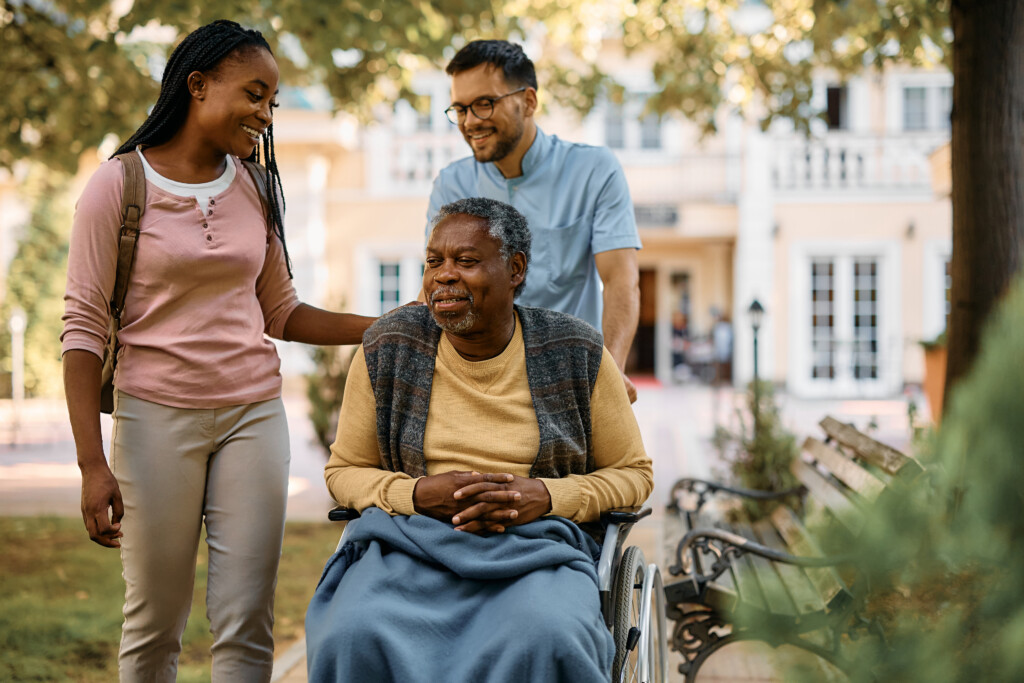
For families already connected with hospice or medical teams, a doula specializing in collaboration can provide added layers of care. This often includes:
- Acting as a liaison between families and healthcare providers
- Helping restate medical information in clear, compassionate language
- Supporting comfort measures alongside hospice staff
This niche ensures that families never feel alone while navigating the complex medical and emotional landscape of end-of-life care.
Family Mediation and Caregiver Support
Families do not always agree on end-of-life decisions, and caregivers often experience burnout. Doulas specializing in this can area help by:
- Facilitating family meetings and easing tensions during decision-making
- Supporting caregivers with respite care, stress management, and resources
- Encouraging open communication so the focus stays on honoring the loved one’s wishes
In Vermont, where family caregiving plays a large role in elder care, this specialization is especially valuable.
Advance Care Planning and Advocacy
Advance care planning involves helping individuals make informed decisions about the care they want at the end of life. Doulas who specialize in this area may:
- Guide clients through living wills and advance directives
- Educate families on options for natural death care, including home funerals and green burials
- Advocate for the client’s wishes when medical or family pressures arise
This niche aligns well with Vermont’s emphasis on sustainability and personal choice, especially as more families explore eco-friendly end-of-life options.
(Tip: Many doulas combine two or more of these areas, building a niche that reflects both their background and their heart for service.)
Specialty Care in Pediatrics
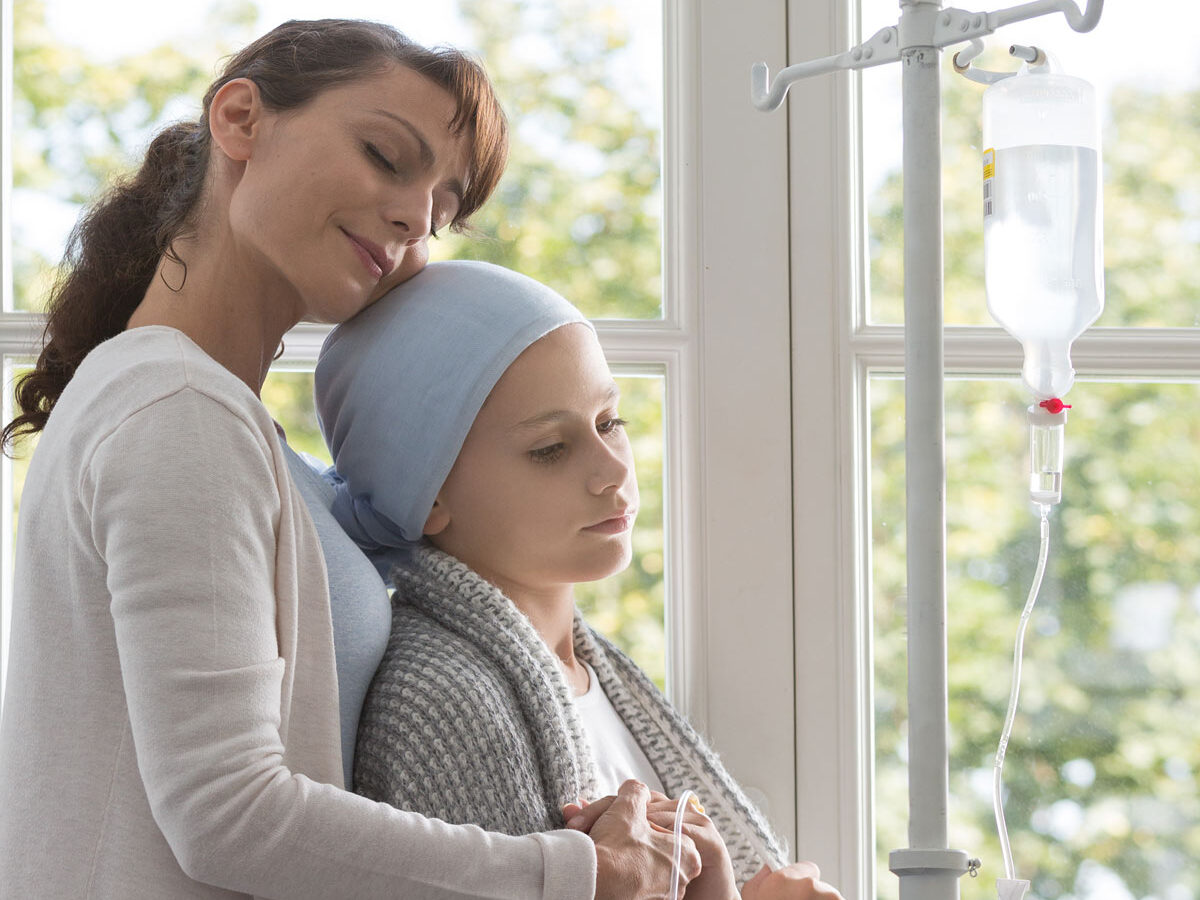
Support children and families through a child’s death with compassionate, non-medical care. Play a crucial role in providing emotional support and guidance not only to the child but also to their family and support network during this deeply challenging time.
- Understand how developmental stages influence a child’s experience of dying.
- Facilitate sensitive discussions about grief, decision-making, and legacy, empowering both children and families.
- Navigate complex family dynamics and ensure that siblings, parents, and caregivers feel seen and supported.
Approach pediatric end-of-life care with confidence and empathy, transforming fear into preparedness. Learn more about becoming a Pediatric End-of-Life Doula Specialist.
Specialty Care for Companion Animals and their Humans
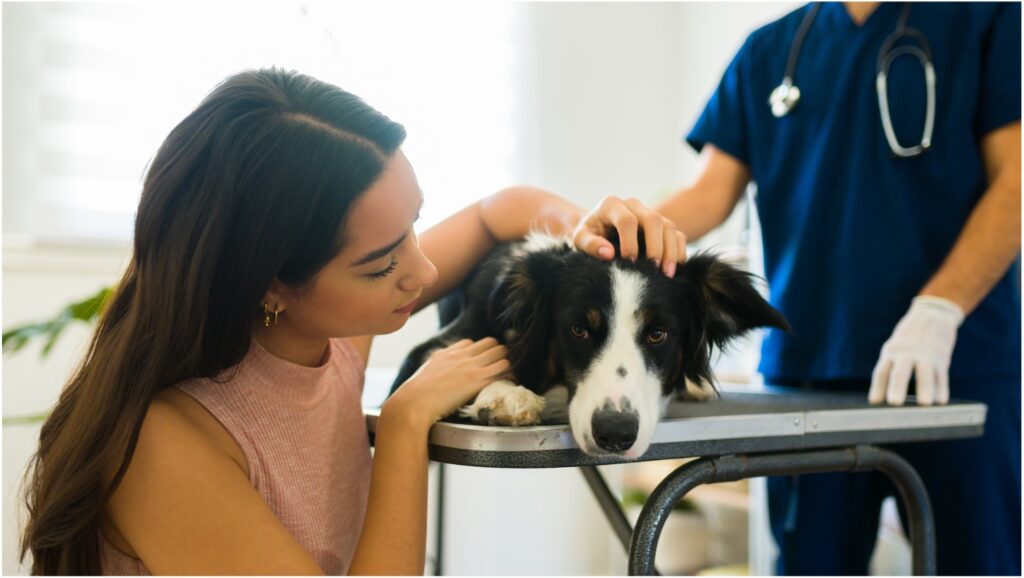
Support pets and their owners through the final stages of life by offering comfort, guidance, and compassionate care during an emotional time of transition. Many people consider their pets not just companions, but cherished family members. When a beloved dog, cat, horse, or other companion animal approaches end-of-life, it can be an overwhelming experience for their owners.
- Provide emotional support and practical guidance to pet owners as they make difficult decisions about their pet’s care.
- Help families honor their pet’s life while creating a peaceful and compassionate end-of-life experience.
- Offer specialized care that acknowledges the unique bond between pets and their owners, ensuring both are supported during this significant transition.
Learn more about becoming a Companion Animal End-of-Life Doula or support groups focused on pet loss through the Pet Loss Support Group Specialist Certificate.
How to Choose the Right Specialization for You
Choosing a specialization begins with self-reflection. Ask yourself:
- What aspects of care come most naturally to me?
- Do I feel called towards spiritual guidance, emotional support, or advocacy?
- Which experiences in my life have prepared me for this work?
- Where do I see the greatest needs in my community?
In Vermont, a strong culture of compassion and community care means there are opportunities to serve in nearly every niche. The key is aligning your personal strengths with the needs of the individuals and families you want to support.
Training and Certificate Paths
Becoming an end-of-life doula requires training, and many programs allow you to focus on specific specializations. Training may cover:
- Core skills such as active listening, cultural sensitivity, and grief awareness
- Specialized modules in spirituality, medical collaboration, or planning and advocacy
At the University of Vermont (UVM) Professional and Continuing Education, programs are designed to help learners:
- Explore new, meaningful career paths in healthcare and wellness
- Gain flexible, career-relevant training that fits into busy lives
- Earn recognized credentials that align with employer and community needs
Explore UVM’s End-of-Life Care portfolio to see how you can begin your training.
Death Doula Certificates at University of Vermont
Answer your calling as an end-of-life doula and make a lasting impact in your community. Offered fully online, UVM’s end-of-life courses help you support the dying and their loved ones with compassionate care as a death doula, pediatric EOL doula, grief and bereavement specialist, companion animal doula, pet loss support group specialist.
The University of Vermont’s acclaimed End-of-Life Care portfolio has a new team leader at its helm. We are excited to introduce Julie Raymond-Yakoubian, PhD, a cultural anthropologist with deep expertise in community health, Indigenous knowledge systems, and collaborative research.
Highlighting UVM’s End-of-Life Care portfolio and related courses:
- End-of-Life Doula: Develop the knowledge, presence, and skills to guide individuals and families through end-of-life transitions with compassion, dignity, and confidence.
- Companion Animal End-of-Life Doula: Support pets and their owners through the final stage of life by offering comfort, guidance, and compassionate care during an emotional transition.
- Navigating Change & Life Transitions: A loss, a health shift, a move, having a baby—life transitions can unsettle our routines, identities, and make the future feel uncertain. UVM’s Navigating Change & Life Transitions is an online course focused on embracing change of all types—unexpected or expected.
- Pet Loss Support Group Specialist Certificate: UVM’s Pet Loss Support Specialist Certificate is a 4-week online pet loss support training focused on helping others through animal bereavement.
- Pediatric End-of-Life Doula Specialist: Gain the expertise to support children and families facing end-of-life, with sensitivity to developmental needs, family dynamics, and emotional care.
- Grief & Bereavement Specialist: Deepen your understanding of grief across cultures, histories, and life stages, and learn effective approaches to supporting individuals through loss.
- End-of-Life Doula Business Foundations: Learn how to design services, set pricing, manage client relationships, and market your practice to build a sustainable doula business.
Career Outlook and Opportunities
Alternative healthcare careers, including end-of-life doula work, are part of a growing movement across the U.S. and Vermont. Factors driving demand include:
- An aging population seeking compassionate end-of-life care
- Families looking for holistic, personalized support
- Greater awareness of non-medical roles in healthcare and wellness
Many doulas establish private practices, while others partner with hospices, faith communities, or wellness organizations. Vermont’s emphasis on holistic living and community-based care makes it an especially supportive place to build a career in this field.
FAQs
What is the difference between an end-of-life doula and a death doula? These terms are often used interchangeably (along with others like end-of-life midwife, death midwife, and end-of-life navigator). Both describe professionals who support individuals and families at the end of life.
Do I need a professional certificate to specialize as an end-of-life doula? Obtaining a professional certificate is not a legal requirement to practice as a death doula, but completing a training program like the University of Vermont’s builds skills and credibility and prepares you with essential tools to practice. Completing a course like UVM’s also helps clients feel confident that you have the foundational abilities and knowledge to practice.
Which specialization is most in demand? The skills and knowledge that end-of-life doulas have are in demand across the United States. Family mediation and caregiver support are especially valuable, as families often need help navigating complex emotions and decisions.
How do I know which niche is right for me? Reflect on your strengths and passions, and consider speaking with experienced doulas to learn more.
For additional support: visit our Student Services and Support page with checklists and additional resources to contact Student Services.