

Overview
The Clinician Leadership Program, offered with the Larner College of Medicine and Vermont Medical Society, empowers clinicians to become effective, wellness-centered leaders. Through in-person learning, you’ll gain skills in team development, finance, communication, and healthcare systems to drive strategic, high-quality patient care and organizational success.
Participants’ voices and experiences are central to this learning. Therefore, we help participants apply tools, techniques, and insights to their situation/organization and its culture.
Steering Committee Members
- Sarah Davies, MD, Family Medicine Physician, UVM Health
- Carl (Trey) Dobson, MD, Emergency Medicine Dartmouth Health
- Jessa Barnard, JD, Executive Director, Vermont Medical Society
- Stephanie Winters, Deputy Executive Director, Vermont Medical Society
- Nichole Hathaway, Program Developer, University of Vermont Professional and Continuing Education
- Stephanie Koerella, Program Manager, University of Vermont Professional and Continuing Education
- Eileen Brickell, Program Coordinator, University of Vermont Professional and Continuing Education
- Colleen Fabian, Instructional Designer, University of Vermont Professional and Continuing Education
Instructors
-
 More Info
Leila Amiri, PhD
Dean for Admissions at the Robert Larner, M.D. College of Medicine at the University of Vermont
-
 More Info
Phillip A. Beverly
-
 More Info
Sarah Davies, M.D.
Program Planner, Wellness Centered Leadership
-
 More Info
Carl (Trey) Dobson, M.D.
Program Facilitator
-
 More Info
Cheyenne Holland
Healthcare Finance
-
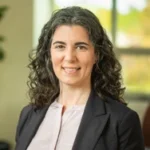 More Info
Jessica Moschella, M.A.
Healthcare Economics
-
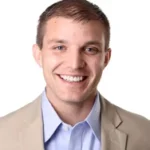 More Info
Christian Pulcini, M.D., M.Ed, MPH
Leading Meetings
-
 More Info
Keith Robinson, M.D.
Quality in Health Care
Location
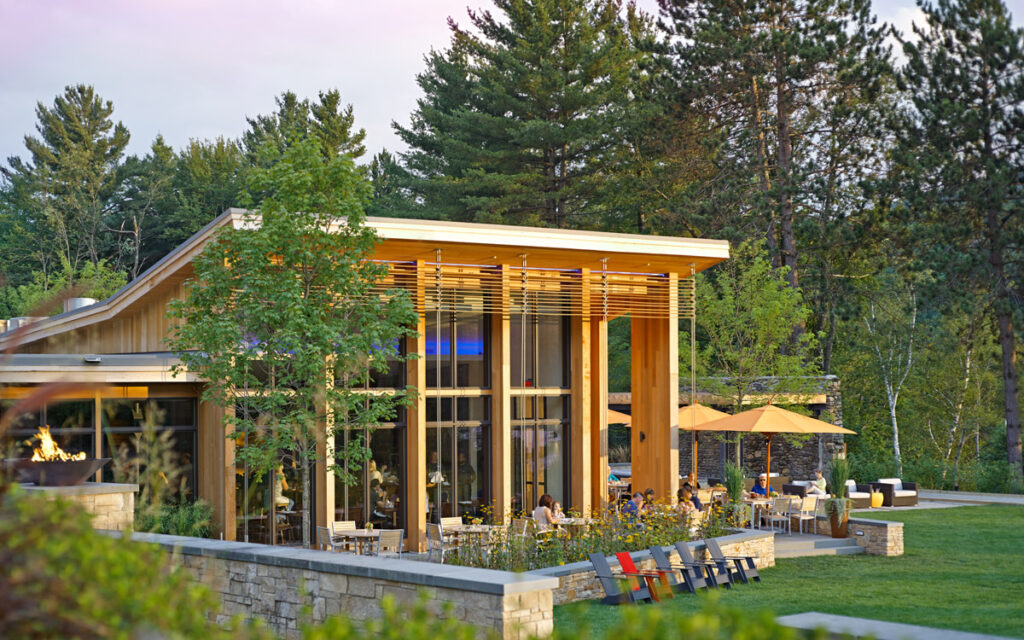
Topnotch Resort
4000 Mountain Rd, Stowe, VT 05672
- Tuition does not include overnight rooms but there is a group rate.
- Room rate is $249 per night + fees.
Schedule
Expand to view the itinerary.
10am – 5pm
Program Launch
Trey Dobson, MD & Sarah Davies, MD
- Welcome Panel
- Project Management
- Wellness Centered Leadership
9am – 4pm
Leila Amiri, Ph.D.
- Emotional Intelligence
10am – 5pm
Christian Pulcini, MD, MEd, MPH
- How to Lead an Effective Meeting
Keith Robinson, MD
- Quality Improvement in Health Care
Trey Dobson, MD & Sarah Davies, MD
- Review of Quality Improvement Projects
- Small groups to discuss project
10am – 5pm
Instructor TBD
- Building High Quality Teams
9am – 4pm
Jessica Moschella
- Healthcare Economics
Cheyenne Holland
- Healthcare Finance
Sarah Davies, MD
- Small groups to discuss project
10am – 4pm
- Advocacy Panel
Carol Kelly
- Advocacy & Media Training
Trey Dobson, MD
- Facilitated Conclusion
9am – 4pm
Trey Dobson, MD & Sarah Davies, MD
Program Wrap Up:
- Project Presentations
- Graduation
| Format | Date | Time | Speaker(s) | Topic |
| In-Person | Friday, September 12, 2025 | 10:00am – 10:30am | Sarah Davies & Jessa Barnard – Program Directors | Welcome & Introductions |
| 10:30am – 11:30am | Panelists – Health Network & Non-Health Network Physician Leaders Sarah Davies, MD Trey Dobson, MD Katie Marvin, MD | Becoming a Physician Leader – Everyone’s Journey is Different | ||
| 11:30am – 12:30pm | Christian Pulcini, MD | How to Lead an Effective Meeting | ||
| 12:30 – 1:30pm | Lunch | |||
| 1:30pm – 2:45pm | Sarah Davies, MD | Wellness Centered Leadership & A Path to Professional Fulfillment | ||
| 3:00pm – 4:30pm | Trey Dobson, MD | Project Management and introducing project ideas | ||
| 4:30pm – 5:00pm | Jessa Barnard & Stephanie Winters | Present project concepts/past projects | ||
| In-Person | Thursday, October 23, 2025 | 10:00am – 5:00pm | Melissa Arthur & Dael Waxman | Emotional Intelligence |
| In-Person | Friday, October 24, 2025 | 9:00am – 4:00pm | Melissa Arthur & Dael Waxman | Emotional Intelligence |
| Online Live | Thursday, October 30, 2025 | 6:00pm – 7:00pm | Melissa Arthur & Dael Waxman | Emotional Intelligence |
| Online Live | Thursday, December 4, 2025 | 6:00pm – 7:00pm | Sarah Davies & Trey Dobson | Review of Quality Improvement Projects Small groups to discuss projects |
| In-Person | Thursday, January 15, 2026 | 10:00am – 5:00pm | Susan Loynd | Building High Performing Teams |
| In-Person | Friday, January 16, 2026 | 9:00am – 4:00pm | Susan Loynd | Building High Performing Teams |
| Online Live | Thursday, January 29, 2026 | 6:00pm – 7:00pm | Susan Loynd | Building High Performing Teams |
| In-Person | Thursday, March 12, 2026 | 1:00pm – 2:45pm | Jessica Moschella | Healthcare Economics |
| 3:00pm – 5:00pm | Cheyenne Holland | Healthcare Finance | ||
| In-Person | Friday, March 13, 2026 | 9:00am – 11:00am | Trey Dobson, MD | Facilitated Conclusion |
| 11:15am – 12:00pm | Jessa/Stephanie | Project Presentations | ||
| 1:00pm – 1:30pm | Jessa/Stephanie | Project Presentations | ||
| 1:30pm | VMS President/HN Representative | Graduation |
Clinician Leadership Development Course Description
The joint University of Vermont (UVM), Larner College of Medicine and Vermont Medical Society (VMS) leadership course is designed to empower clinician leaders across Vermont with the skills, knowledge, practical experience, and networking opportunities needed to foster effective, sustainable team success.
The course also provides a foundational understanding of business and financial principles, as well as key aspects of healthcare systems, to equip leaders with the tools necessary to navigate organizational challenges, drive strategic decision-making, and enhance the delivery of high-quality patient care.
Topics and Key Competencies
Recognizing the broad skill set required to be a successful leader, this course will focus on the following topics:
- Team development and effective change management
- Project management
- Communication/interpersonal skills
- Professional development and wellness-based leadership
- Finance/budgeting
- Health systems and care delivery
Each topic’s goals and key competencies/skills are outlined in the following sections:
Team development and effective change management
Goal:
Develop the skills and tools needed to cultivate a high-performing team, drive effective change management, and implement problem-solving strategies using a systems-based approach.
Skills:
- Understand the qualities of and strategies to develop a high-performing team.
- Identify strategies for engaging the team in making effective change.
- Explore existing strengths and develop skills to improve the relational aspects of managing people and leading teams.
- Develop adaptive communication strategies for different audiences (i.e.: executives, direct reports, peers, staff)
- Gain tools and strategies to plan and lead effective meetings.
Project Management
Goal:
Develop the skills to design, implement, and evaluate a project aimed at improving an aspect of clinical practice—such as operational efficiency, quality of care, patient or staff experience, or workflow. By the end of the course, participants will present a project tailored to their clinical setting.
Skills:
- Describe the core elements of effective project management and their relevance to healthcare operations.
- Identify a meaningful challenge or opportunity for improvement in the clinical setting and design a targeted project.
- Apply project planning and implementation strategies to address identified needs.
- Manage a project through its lifecycle, including planning, execution, and evaluation.
- Present project and outcomes to leadership program faculty and fellow cohort members, including a summary of how the project was shared with stakeholders and peers within their clinical setting.
Communication/Interpersonal skills
Goal:
Develop and refine skills to navigate challenging situations/conflict resolutions among colleagues and staff. Encourage and support a collaborative work environment.
Skills:
- Assess your ability to effectively perceive and express yourself, develop and maintain relationships, and cope with challenges.
- Articulate/describe your leadership style and/or personality traits.
- Demonstrate how to best collaborate with and lead others with different styles.
- Review and practice strategies to have effective difficult conversations with colleagues; model, encourage, and facilitate open communication and feedback between all members of the practice.
Professional development and wellness-based leadership
Goal:
Recognize the impact of clinician leaders on individual and team well-being and burnout. Develop techniques to guide and support the well-being and professional development of physicians and advance practice professional (APP) colleagues.
Skills:
- Recognize how your own professional fulfillment and/or burnout relates to your effectiveness as a leader.
- Describe current models of wellness-centered leadership and professional fulfillment.
- Identify ways in which you and your organization can support the professional fulfillment and well-being of yourself and your colleagues.
Finance/Budgeting
Goal:
Monitor, interpret, and communicate relevant financial data to key clinic stakeholders.
Skills:
- Develop a budgeting vocabulary, including work relative value unit (wRVU), gross and net revenue, expenses, etc.
- Interpret the profit and loss statement of a clinical practice.
- Identify the types of funding associated with different practice types such as federally qualified health center (FQHC), private practice, rural health center, community hospital, academic medical center.
- Develop an understanding of the importance of being able to frame desired practice change in the context of a facility budget.
Health Systems and Care Delivery
Goal:
Develop an understanding of the healthcare landscape in Vermont, New York, and nationally, and explain the impacts on practicing clinicians, patients, and communities.
Skills:
- Gain an understanding of Vermont’s health care regulatory environment, including the role of the Green Mountain Care Board, legislature and Agency of Human Services.
- Assess the role of payment reforms, such as population health models, global budgets, reference-based pricing, federal payment reform models and policy shifts in shaping future healthcare delivery.
- Recognize the challenges and opportunities that shifts in payment might bring to your practice setting, and to overall patient care/experience.
- Improve communication skills with patients, community members, advocacy groups and policy makers.
- Identify opportunities for influence and involvement with advocacy groups and local, regional, and national policy makers.
Advocacy & Media Training
Goal:
Develop the skills and tools needed to advocate for systems change within a practice, health care facility, community or statewide level.
Skills:
- Articulate the need for physicians and APPs to advocate for systems change within our health care system.
- Understand different loci of policy change including working within a health care system, the legislature or administrative agencies.
- Identify the range of tools for engaging in advocacy depending on time, interest and the issue being advocated for.
- Develop and practice crafting and presenting key messages to different audiences (e.g.: executives, media, the public, patients, policy makers)
FAQs
Physicians and advanced practice professionals who have recently assumed or aspire to take on leadership roles are encouraged to participate. It is particularly aimed at individuals with 5 or more years of clinical experience but minimal formal leadership training. The course aims for a cohort of 24 physicians & APPs from across Vermont and neighboring states.
From 2019-2025, the Vermont Medical Society offered a statewide Physician Executive Leadership Program and UVM Health also offered a Physician Leadership Development Program. Beginning in 2025-26, we joined these programs together under the umbrella of the UVM Professional and Continuing Education program for one statewide leadership program. We are pleased to be continuing our second year of a joint leadership course for 2026-27 and opening the course to APPs.
Clinicians should apply by completing the application linked here (and on this website) by August 28th. Applicants will be asked for a brief paragraph outlining their interest in the course, their ability to fully participate in scheduled course sessions, and a CV.
Should more applications be received than available slots, applications will be reviewed by the steering committee members and selected based on factors including practice location and type, specialty, demonstrated interest and availability to participate in the program.
Applicants are encouraged to inquire with their practice or medical staff leadership regarding potential support, as some practices and hospitals may sponsor participation or allow the use of CME funds toward the cost.
Applicants will notified by September 4th if they are selected and will have until October 2, 2026 to commit and pay tuition. Please block program dates at the time of your application to ensure you can participate if selected.
Yes, this course will be accredited for CME Credits.
All session costs and expenses (food, CME, assessments) are included in the tuition, but room costs are not included. You can inquire if your organization allows use with CME/professional expense funds to cover the cost of the hotel room.