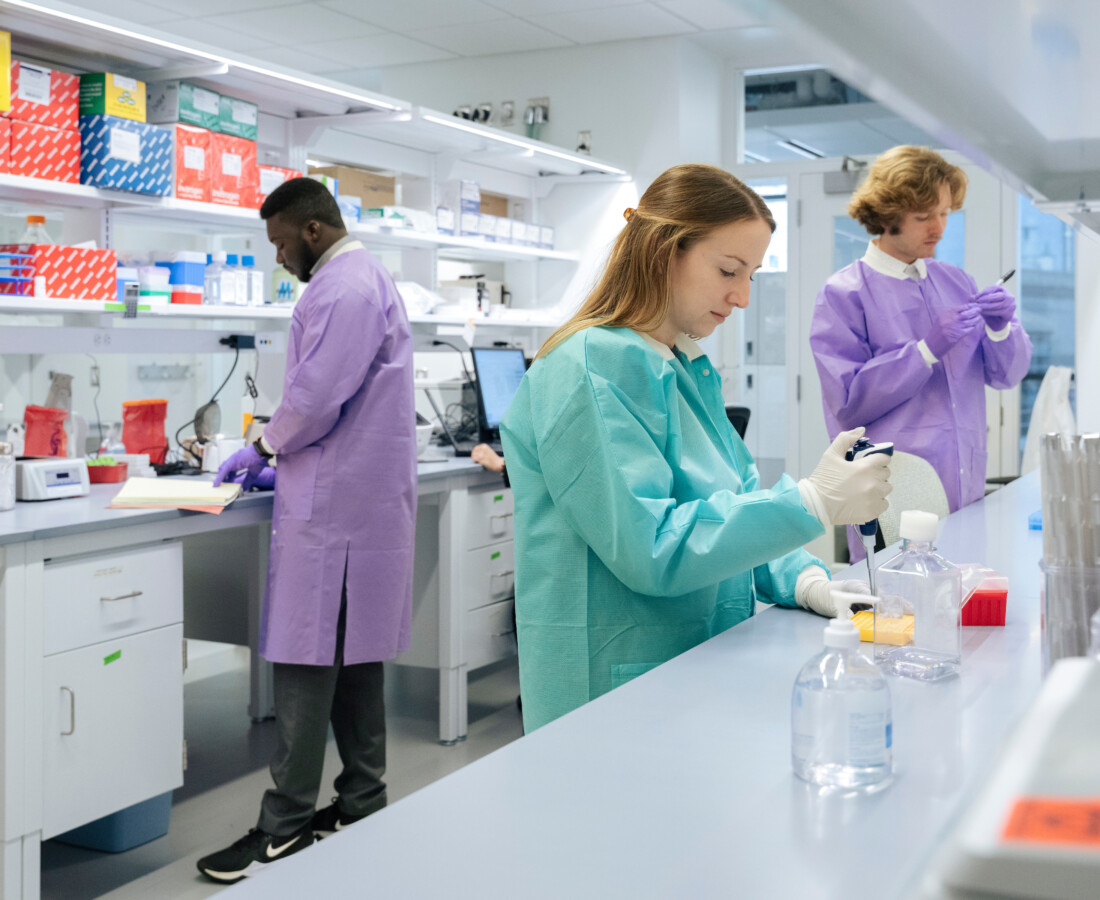

Burlington, VT — August 19, 2026 —University of Vermont (UVM), the Robert Larner, M.D. College of Medicine, and Professional and Continuing Education (PACE) have announced a new Biotechnology Technician Certificate, a 24-week workforce development program that prepares career changers to enter the region’s growing life sciences sector. The new certificate offers tuition-free enrollment, thanks to congressional funding, and provides participants with hands-on lab training at UVM research facilities. No prior science degree is required.
“By training a new pipeline of lab technicians for our pharmaceutical, biomanufacturing, and research partners, we’re strengthening the entire regional life sciences ecosystem while living out our land grant mission to open doors across our state,” said Kirk Dombrowski, UVM’s Vice President for Research and Economic Development. “Research thrives on skilled hands at the bench, and this certificate builds that talent right here in Vermont.”
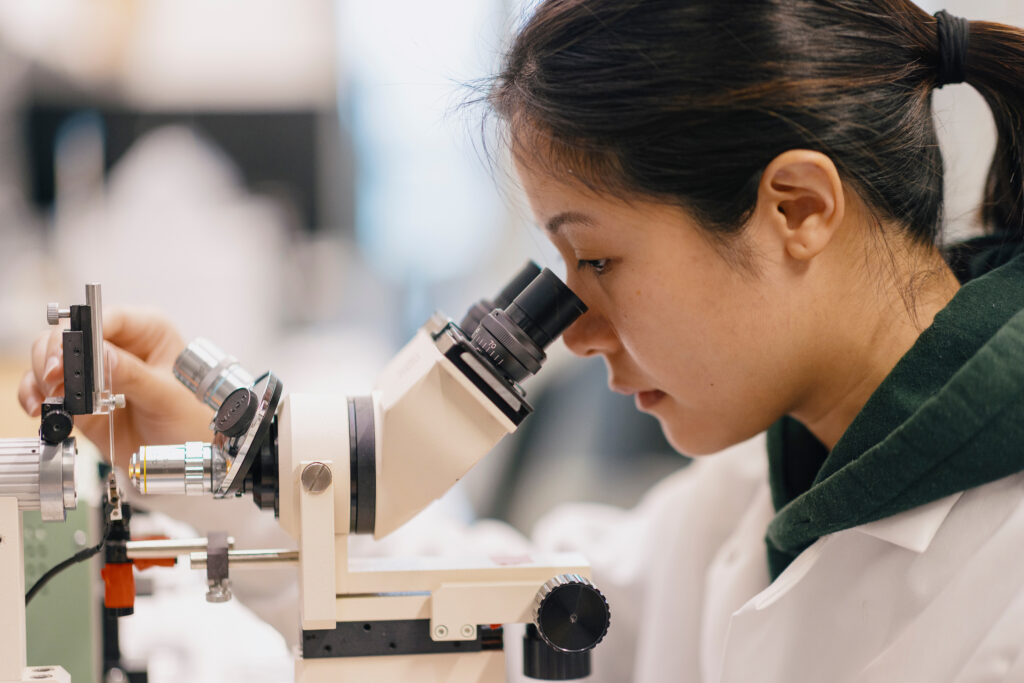
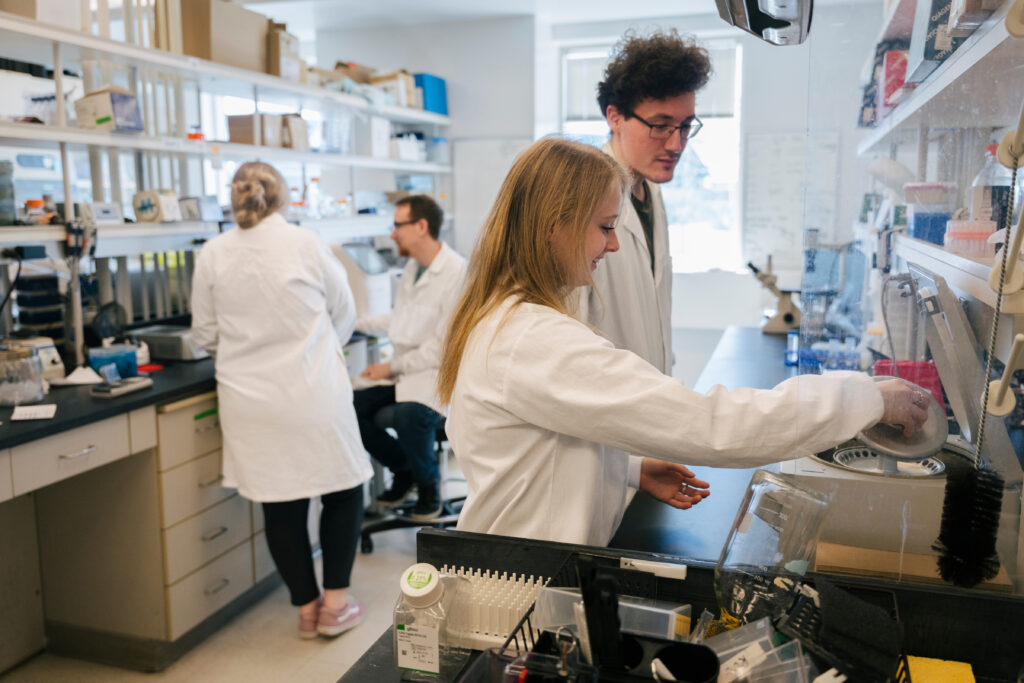
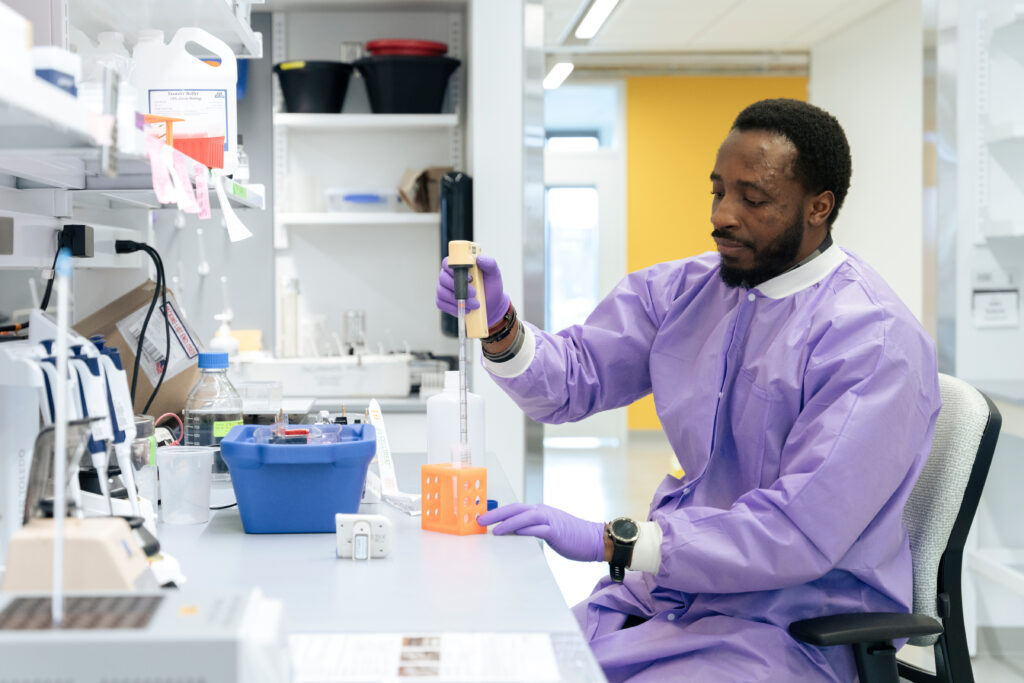
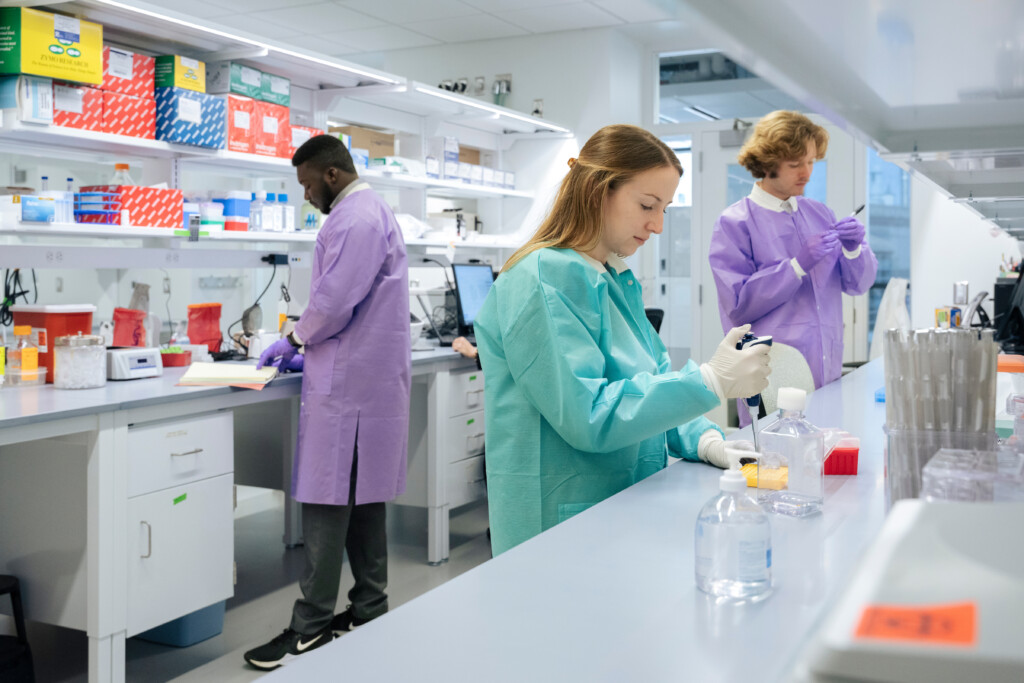
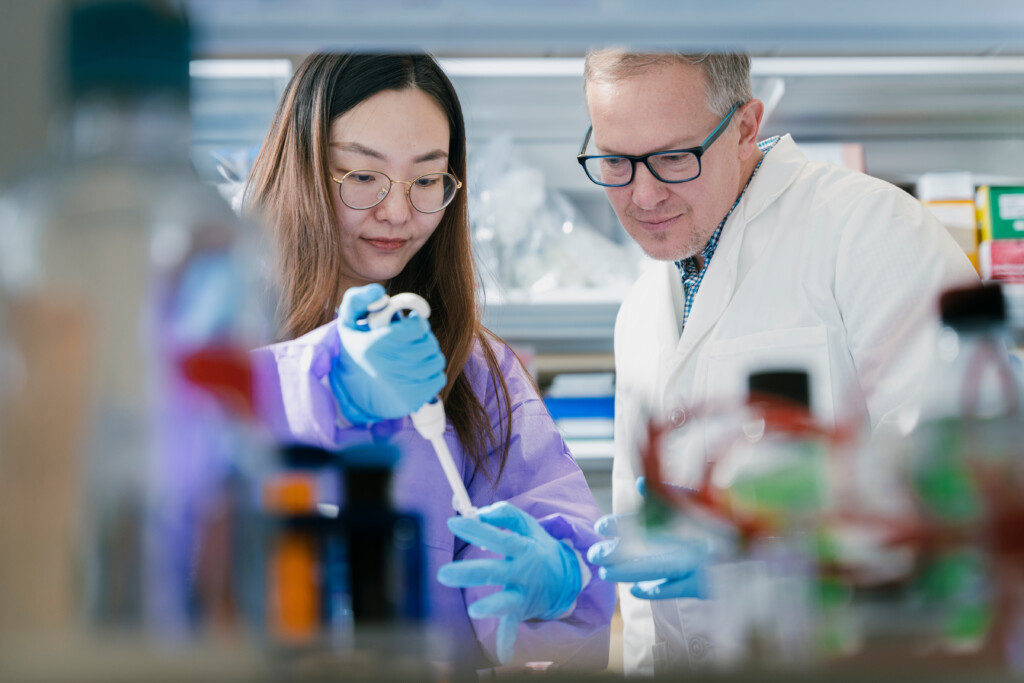
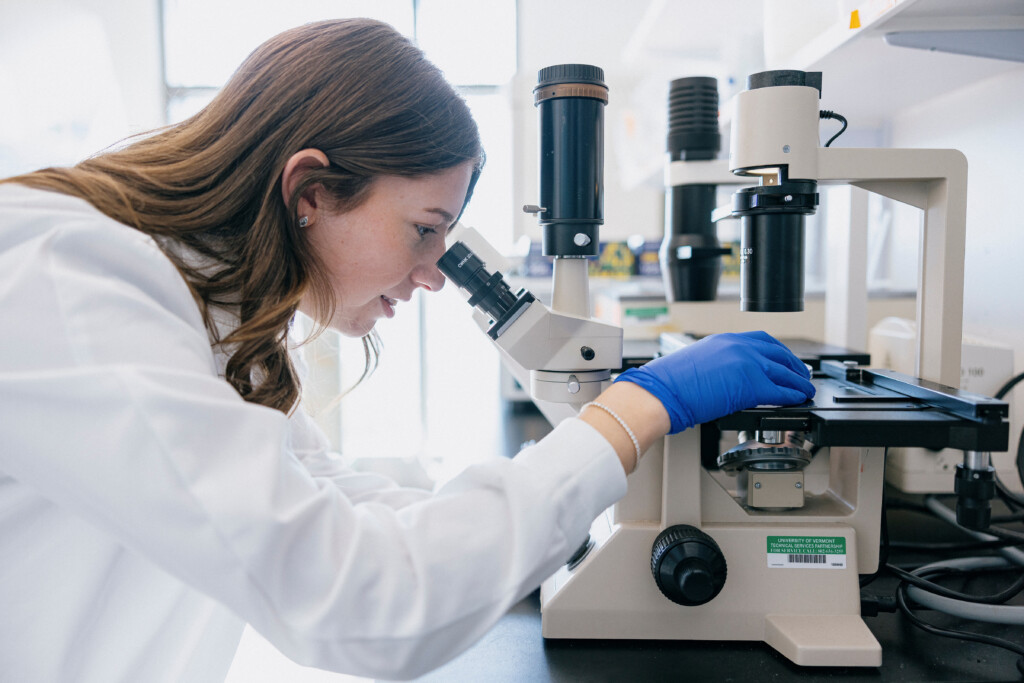
Instructed by faculty from Larner College of Medicine, at a Carnegie “R1” research university, and designed by the instructional design team at PACE, the certificate spans 24 weeks and requires a manageable 7 to 10 hours per week. It blends asynchronous online coursework with in-person labs, hands-on curriculum, and technical lab experience in a UVM research lab. Students gain real experience from the start, working through lab safety and standard operating procedures, core bench techniques, data analysis, and molecular biology methods in an authentic research setting. All graduates will receive a certificate and will develop a portfolio to share with prospective employers.
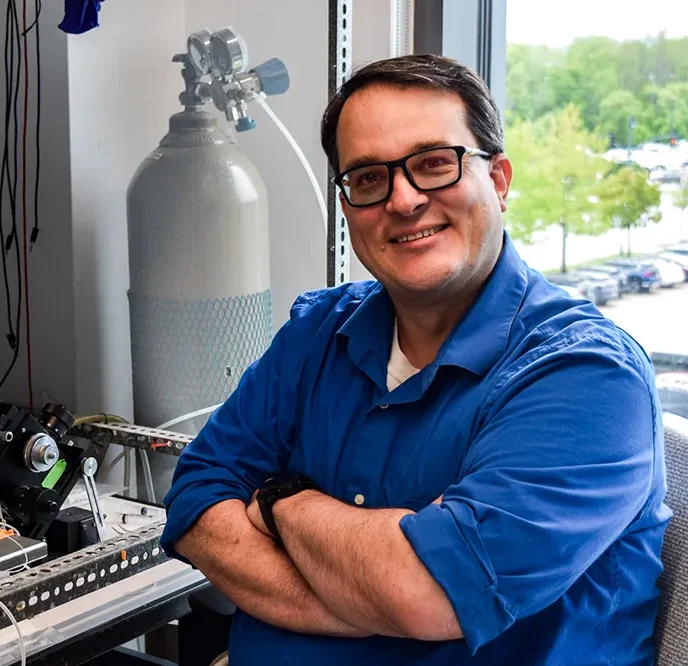
“What sets our program apart is that students don’t just learn techniques in a classroom, they work alongside researchers in a real UVM lab from day one,” said Gerry Herrera, Ph.D., Program Director, Assistant Professor of Pharmacology at UVM’s Larner College of Medicine, which is the seventh-oldest medical school in the country. “That direct and technical experience means our graduates walk into pharmaceutical, biomanufacturing, and research roles already knowing how a working lab operates. For career changers, that’s not just training —it’s a genuine head start.”
Graduates leave with a well-rounded set of skills: lab safety and professional standards, core technician skills such as pipetting and solution preparation, data analysis using tools like Excel and GraphPad Prism, and advanced biotechnology methods, including chromatography, microscopy, sterile technique, and DNA work. These skills open doors to entry-level roles across pharmaceutical manufacturing, biomanufacturing, and research environments. UVM is also developing additional certificates to expand training pathways in the life sciences.
The program is funded through congressional support secured by U.S. Senator Peter Welch (D-Vt.), Ranking Member of the Senate Agriculture Subcommittee on Rural Development, Energy, and Credit, who partnered with Vermont Congressional Delegation to secure funding for 27 Vermont projects valued at nearly $31M, including $2.7M for UVM to create this biotechnology certificate program —including this lab technician certificate— to foster a local and regional skilled workforce and expand UVM’s research enterprise.
“I’m proud to have helped secure this $2.7 million investment to UVM’s biotechnology certificate program, which will be game-changing for workforce development in our state. By offering tuition-free enrollment, this program will open doors for Vermonters of all backgrounds interested in pursuing a career in biotechnology,” said Senator Welch. “I’ll continue working hard to secure federal funding for educational and training programs that remove barriers to careers in life science and technology.”
This investment allows UVM to offer the certificate tuition-free to eligible participants, removing a major barrier for Vermonters seeking to enter the field.
The certificate is built for working adults, veterans, career changers, and recent high school grads who are curious about hands-on science, but do not hold a formal science background.
As the program launches, UVM will engage biotechnology industry partners across Vermont and the region to build a robust network of placement opportunities, translating education into employment while strengthening the talent pipeline that fuels innovation and economic growth.
“By offering this Biotechnology Technician Certificate tuition-free, we’re bypassing common barriers and opening the door for Vermont learners to build real, hands-on skills in just 24 weeks,” said Bettyjo Bouchey, UVM’s Chief Operating Officer for PACE. “This new program is a direct expression of PACE’s mission to activate a pillar of UVM’s renewed strategic plan: expanding opportunity, broadening access, and deepening community engagement across Vermont. Connecting our world-class research strengths to practical, accessible workforce training is how we fulfill that promise.”
Those interested can learn more and register for an upcoming cohort at learn.uvm.edu/program/biotechnology-technician-certificate.
About the University of Vermont Professional and Continuing Education (UVM PACE)
UVM Professional and Continuing Education (PACE) provides flexible, professionally focused programs for lifelong learners, working adults, high school students, and career changers. Backed by the University of Vermont — a Carnegie R1 research institution with the highest level of research activity, placing it in the top 3% of research universities nationally — PACE offers certificates, coursework, and workforce development programs designed to meet the evolving needs of students and the industries they serve. For more information, visit learn.uvm.edu.
Please direct media inquiries to:
Justin Gural
UVM Professional and Continuing Education (PACE)
Marketing Content & Communications Manager
Justin.Gural@uvm.edu
Photos & Video B-Roll
Photo Gallery
Video B-Roll
A Tuition-Free Path Into a High-Demand Field
UVM’s Biotechnology Technician Certificate arrives as Vermont’s life sciences sector faces steady demand for skilled laboratory workers. For a regional workforce that needs technicians who can work safely at the bench and record trustworthy data, a debt-free route into the field carries real weight.
Biotech Jobs – By the Numbers
- A promising Vermont career: MyFutureVT lists Clinical Laboratory Technologists among “Vermont’s Most Promising Jobs,” flagging the role as “high-pay, high-demand.” Careers with this designation pay a median wage of at least $30 per hour and are expected to see at least 300 job openings in Vermont between 2022 and 2032.
- National growth for biological technicians: Employment for biological technicians is projected to rise from 77,981 jobs in 2025 to 84,157 jobs by 2035—a 7.9% increase that adds more than 6,100 new positions nationally.
- Expanding demand for lab technologists: Clinical laboratory technologist and technician employment is projected to grow from 343,545 jobs in 2025 to 364,703 jobs by 2035, adding more than 21,000 jobs nationwide.
- A decade of opportunity: Lightcast projects nearly 28,000 additional jobs nationally over the next decade across biological technician and clinical laboratory technician occupations, reflecting sustained demand for skilled laboratory professionals in biotechnology, healthcare, diagnostics, and research.