
A June 2026 study from the University of Vermont’s Larner College of Medicine found that changes in postmenopausal women’s hormone levels impacts brain function leading to reduced connectivity in areas linked to cognition—research that underscores why evidence-based menopause education matters. UVM’s Menopause Care Professional Certificate, taught by Larner faculty, gives clinicians the tools to meet that need in just four weeks online.
Most clinicians graduate with little to no formal menopause training. According to a Mayo Clinic study (2019), only 6.8% of OB/GYN residents feel adequately prepared to manage menopause care—despite 93.8% acknowledging it is important. UVM’s latest research makes that gap harder to ignore.
What Did UVM’s 2026 Menopause Brain Study Find?
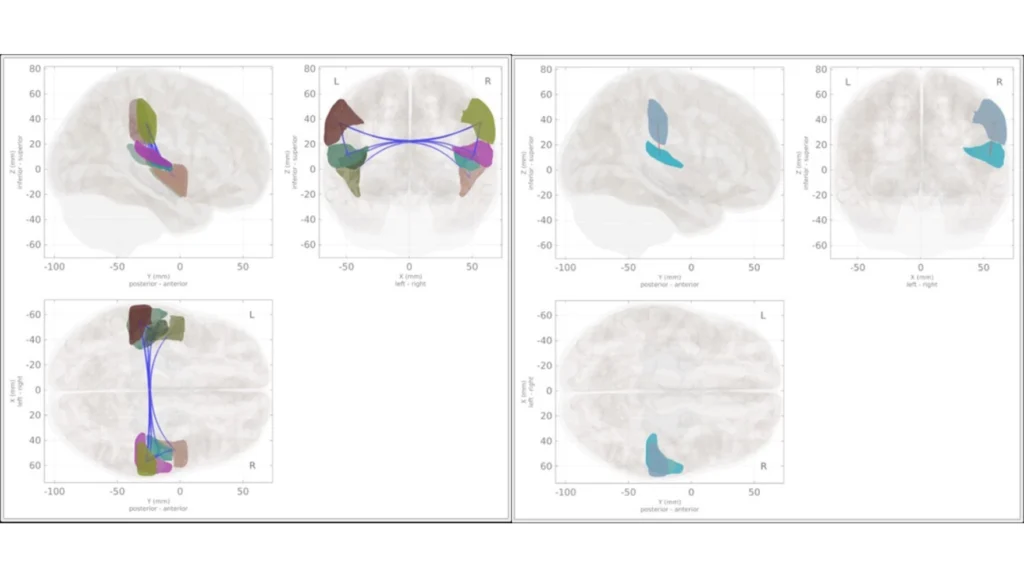
Published in June 2026 in the Journal of the Menopause Society, new research from UVM’s Larner College of Medicine examined MRI brain scans from 151 females between ages 40 and 55, drawn from an NIH-funded dataset. Researchers analyzed “resting state” brain activity—what the brain does when not performing a task—across three groups: premenopausal, perimenopausal, and postmenopausal women.
The findings surprised even the researchers. Rather than the perimenopausal group showing the most notable differences, it was postmenopausal women who stood out.
“What we found was that the postmenopausal group were different compared to the premenopausal group. The postmenopausal group had reduced connectivity in some brain areas that are relevant for cognition and thinking. And not just because the women were different ages.”
—Julie Dumas, Professor of Psychiatry, UVM Larner College of Medicine
The study’s co-author, postdoctoral researcher Abigail Testo, pointed to estradiol as a key factor: “It’s also really important for your brain, which needs it for emotional regulation, for thinking and memory and regulating temperature.”
The researchers were also direct about the broader stakes. Women develop Alzheimer’s disease at twice the rate of men—and UVM researchers believe hormonal changes during menopause may be a contributing factor worth investigating further.
Why Does This Research Matter for Menopause Clinical Training?
Studies like this one reveal how much clinicians still need to learn about menopause—and how urgently. Over 1.2 billion women worldwide will be experiencing menopause by 2030. Yet most health professionals enter practice without structured training on hormonal changes, cognitive effects, or evidence-based treatment options.
That’s precisely the gap the UVM Menopause Care Professional Certificate was designed to close.

About the UVM Menopause Care Professional Certificate
UVM’s Menopause Care Professional Certificate is specifically designed to equip active healthcare providers with the essential knowledge and clinical skills needed to deliver high-quality, evidence-based care for women navigating the menopausal transition. Understanding that menopause affects every individual differently, this program emphasizes a comprehensive, multidisciplinary approach.
Students will explore critical topics such as hormonal management, the cognitive and emotional impacts of hormonal changes, and a variety of non-hormonal treatment alternatives, allowing for highly personalized patient care.
“As a seasoned nurse practitioner and health coach I learned valuable information I wish I’d known years ago. Yet, I can continue to share and educate from this point onwards regarding menopause. Every health care provider and health coach needs this information.”
—Carol B., Participant, Spring 2026 Cohort
By successfully bridging the widespread gap in traditional clinical training, this certificate program ensures that healthcare professionals are thoroughly prepared to address and support the diverse, unique needs of women during this pivotal stage of life. Ultimately, the program operates on a vital premise: no woman’s health and well-being during menopause should ever be overlooked or compromised due to a lack of professional provider education.
Who Teaches the UVM Menopause Care Professional Certificate?
The certificate is co-developed and taught by faculty from UVM’s Larner College of Medicine—the same institution behind the 2026 brain research.
Dr. Karen George, M.D., M.P.H. is a Professor in Obstetrics, Gynecology, and Reproductive Science at Larner and Associate Dean for Students. A Distinguished Educator at the UVM Teaching Academy, Dr. George brings three decades of medical education experience to the course. Her vision for the program is one of community and clinical confidence:
Dr. Alexandra Fenton, MD, FACOG, MSCP is a Menopause Society Certified Practitioner and Assistant Professor at Larner College of Medicine. Certified by The Menopause Society, Dr. Fenton has dedicated her career to advancing patient-centered care in menopause medicine.
Lara Kalix-Crisafi, MSN rounds out the instructional team, bringing additional clinical expertise to the curriculum. She worked for 10 years as a nurse in pediatrics and obstetrics and completed her Women’s Health Nurse Practitioner master’s degree at Frontier Nursing University. She currently works as an NP in the OBGYN department at UVM Medical Center.
Julie Thompson, DO, FACOG, IFMCP, MSCP is a board-certified gynecologist and Menopause Society Certified Practitioner dedicated to providing patient-centered menopausal care and, as an Institute of Functional Medicine Certified Practitioner, focuses on addressing the root causes of gynecologic, hormonal, emotional, and gastrointestinal conditions.
Watch the Info Session
Hear directly from Dr. Karen George about the certificate’s goals, curriculum, and the community it aims to build.
“It’s about personalizing the knowledge they already have and then co-creating a plan with patients to help them maximize their health. We’re excited because we hope this program will attract not just medical providers, but also professionals from other disciplines. We want to build a community of learning to help us all increase our knowledge together.”
Take the Next Step in Menopause Care Education
The UVM Menopause Care Professional Certificate is a 4-week, fully online, asynchronous program designed for busy licensed professionals—NPs, PAs, MD/DOs, PTs, RDNs, and more. At $725 with 4 CEUs included, the certificate offers clinical depth in a fraction of the time of comparable programs. UVM holds Carnegie R1 research status, placing it in the top 3% of research universities.
The summer cohort runs July 13 – August 9, 2026. The fall session opens October 26, 2026.
Learn more about the UVM Menopause Care Professional Certificate →
“This course has been extremely valuable for my clinical practice. It gave me a much stronger understanding of menopause physiology, pathophysiology, symptom assessment, risk stratification, and individualized care. I now feel more confident when discussing menopausal symptoms with patients, especially because I can better explain what is happening in the body and help women understand their options.
The course also helped me see menopause not only as a hormonal transition, but as an important window for prevention, healthspan, cardiometabolic health, bone health, mental health, and quality of life. One of the most important lessons for me was the value of shared decision–making. Women have different symptoms, risks, fears, beliefs, and goals, so care must be individualized. This has already influenced the way I think about my consultations.”
—Momade H., Participant, Spring 2026 Cohort
Frequently Asked Questions
Who is this certificate designed for?
The certificate is open to licensed clinicians and allied health professionals, including nurse practitioners, physicians, physician assistants, physical therapists, nutritionists, and integrative health practitioners.
How long does the UVM Menopause Care Certificate take to complete?
The program runs four weeks with an estimated 10 hours of work per week (~45 hours total). It is 100% online and asynchronous, so participants complete coursework on their own schedule within weekly deadlines.
Does completing this certificate qualify me to prescribe HRT?
No. This program builds clinical knowledge and provides practical tools, but prescribing authority is determined by your license and local regulations—not this certificate.
What credentials do I receive upon completion?
Graduates receive a UVM Professional Certificate and 4 CEUs, shareable on LinkedIn or your CV. Many licensing bodies accept CEUs from accredited providers like UVM, though verification with your specific board is recommended.