
Overview
Learn how contingency management works to fight addiction
Unhealthy behavior patterns (e.g., cigarette smoking, other substance use disorders, physical inactivity and poor food choices, nonadherence with recommended medical regimens) are a major contributor to population health. Importantly, these risk behaviors are often overrepresented in socioeconomically-disadvantaged and other vulnerable populations (e.g., rural populations), playing an important role in health disparities. Identifying evidence-based strategies to promote and sustain health-related behavior change is critical to improving U.S. population health.
In this course, we review contingency management, primarily voucher-based contingency management, for the treatment of substance use disorders and other health-related behaviors.
The course reviews the evidence supporting the efficacy of contingency management for the treatment of stimulant, tobacco, and other substance use disorders using projects developed at the University of Vermont as exemplars, and discusses dissemination of the model as part of public and private sector efforts to improve individual and population health.

In a 2021 systematic review of 61 randomized clinical trials of contingency management for drug abstinence with nearly 10,000 patients
- 74% of studies reported significantly more abstinence at end-of-treatment assessments
Source: JAMA Psychiatry. Contingency Management for Patients Receiving Medication for Opioid Use Disorder: A Systematic Review and Meta-analysis
What sets UVM apart
At the University of Vermont, we have developed an in-depth understanding of incentive-based behavior change and the unique challenges faced by those who treat substance use disorders.
The UVM program has been developed by a highly experienced faculty team, the members of which are all currently serving as practitioners, researchers, and educators in the field.
Developed in partnership with

Through decades-long initiatives and research carried out through The Vermont Center on Behavior and Health (VCBH), led by Director Stephen T. Higgins, PhD, at The UVM Larner College of Medicine, they have developed and tested approaches to help practitioners guide those with addiction toward better physical and mental health. This program will provide a foundation for the application of one of those approaches, contingency management.
Admissions
This program is right for you if you work in these healthcare roles
This program is relevant for all three common personnel roles in healthcare organizations: decision-makers, clinical supervisors, and direct care staff. Specific roles may include:
- CM Coordinators, Back-Up CM Coordinators, and CM Supervisors
- Program Administrators
- Physicians, Nurse Practitioners, Physician Assistants, and Nurses
- Psychologists
- LMFTs and LCSWs
- Certified Substance Use Disorder Treatment Counselors
- Other Behavioral Health Professionals
- Specialists/Clinicians
Curriculum
This non-credit, fully online, asynchronous program can be completed on-demand by practitioners seeking to learn about contingency management, an evidence-based behavioral intervention wherein patients receive material incentives contingent on objectively-verified behavior change.
We recommend planning approximately four weeks to successfully complete the 25 hours of content.
Course Objectives
Upon completion of this course, students should be able to:
- Identify the basic principles of contingency management
- Describe the role of reinforcement in contingency management
- Speak to the conceptual and theoretical foundations of contingency management, including behavioral economics and operant conditioning
- Discuss the evidence for the effectiveness of contingency management in treating substance use disorders
- Explain the voucher-based model of contingency management interventions and how it can be applied to substance use and other health-related behaviors.
- Describe strategies and systems for implementing and managing a contingency management program
Faculty
-
 More Info
Stephen Higgins, PhD
Professor, UVM Departments of Psychiatry and Psychological Science
-
 More Info
Richard Rawson, Ph.D.
Research Professor, UVM Department of Psychiatry
-
 More Info
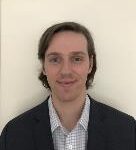
Tyler Erath, Ph.D.
Assistant Professor, UVM Department of Psychiatry
-
 More Info
Sarah H. Heil, PhD
Professor, UVM Departments of Psychiatry and Psychological Science
Advising and Student Support
You have the goal; we’ll help you achieve it
We are dedicated to helping you access UVM. It is our role to get to know your experience and goals, assist you in choosing courses, guide you through registration, and serve as your resource throughout your time at UVM.
Curious if your past college credits apply at UVM? Want to understand where a program will take you after completion? Looking for resources for financial aid, tutors, or UVM policies? We’re here to help.