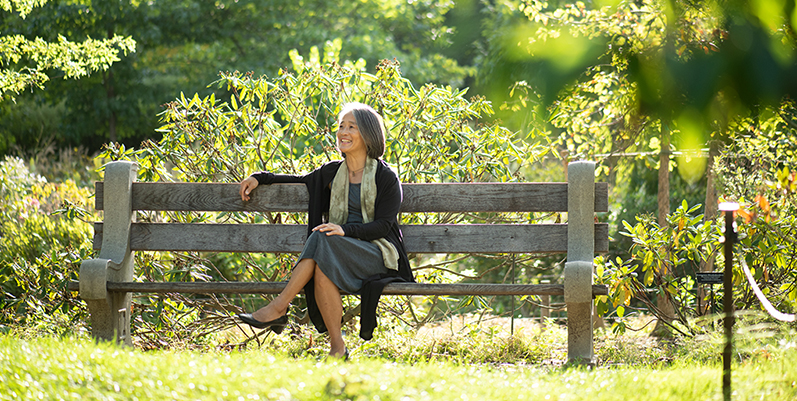

What does it mean to truly show up for someone at the end of their life? For Virginia Chang, Ph.D., an instructor in the University of Vermont’s End-of-Life Doula Certificate program, the answer starts with presence, honesty, and deep human connection. Her work was recently spotlighted in The New Yorker, placing UVM’s program at the center of a growing national conversation about how we care for the dying.
In this post, you’ll learn:
- How Virginia Chang brings compassion and rigor to end-of-life care
- Why UVM’s certificate program stands out as an industry leader
- Answers to common questions about becoming an end-of-life doula
Whether you’re exploring a new calling or expanding your care skills, continue reading to learn how UVM’s program led by expert instructors like Virginia can help you reach your goals.
A New Yorker Spotlight on Virginia Chang
In August 2026, The New Yorker published “The Doulas Who Help Us Die” by Alexandra Schwartz. The article explores the rise of end-of-life doulas across an aging America—and it features UVM instructor Virginia Chang as a leading voice in the field. The article is published for subscribers behind a paywall, and below we’ve shared a few highlights from the article.
Here’s a snippet from the feature, written by Alexandra Schwartz:
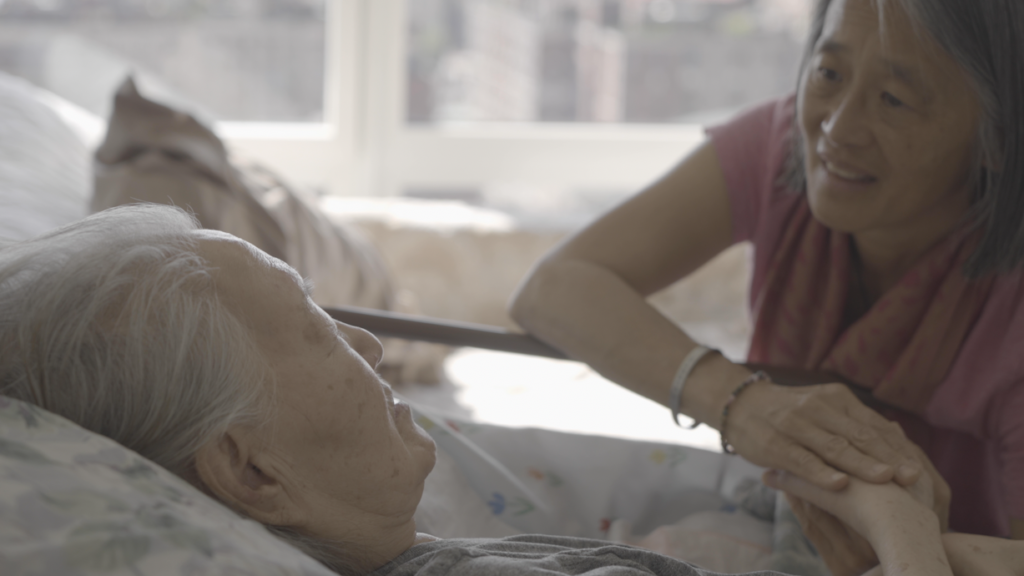
As Chang sees it, her role is “not about telling you that you can have a good death—it’s not about trying to make it beautiful or sacred or reverent.” She prefers to think of it as a reframing. “You’re creating environments where a person is telling you things that they haven’t said to anybody else,” she explained. “Once you’ve established that trust, you can go anywhere in the future with them. You can get them to look at difficult emotions. You can have hard conversations. You can take them to places of dreaming big.” Death may be the end of life, but dying is still a part of living.
Becoming an “Empty Vessel”
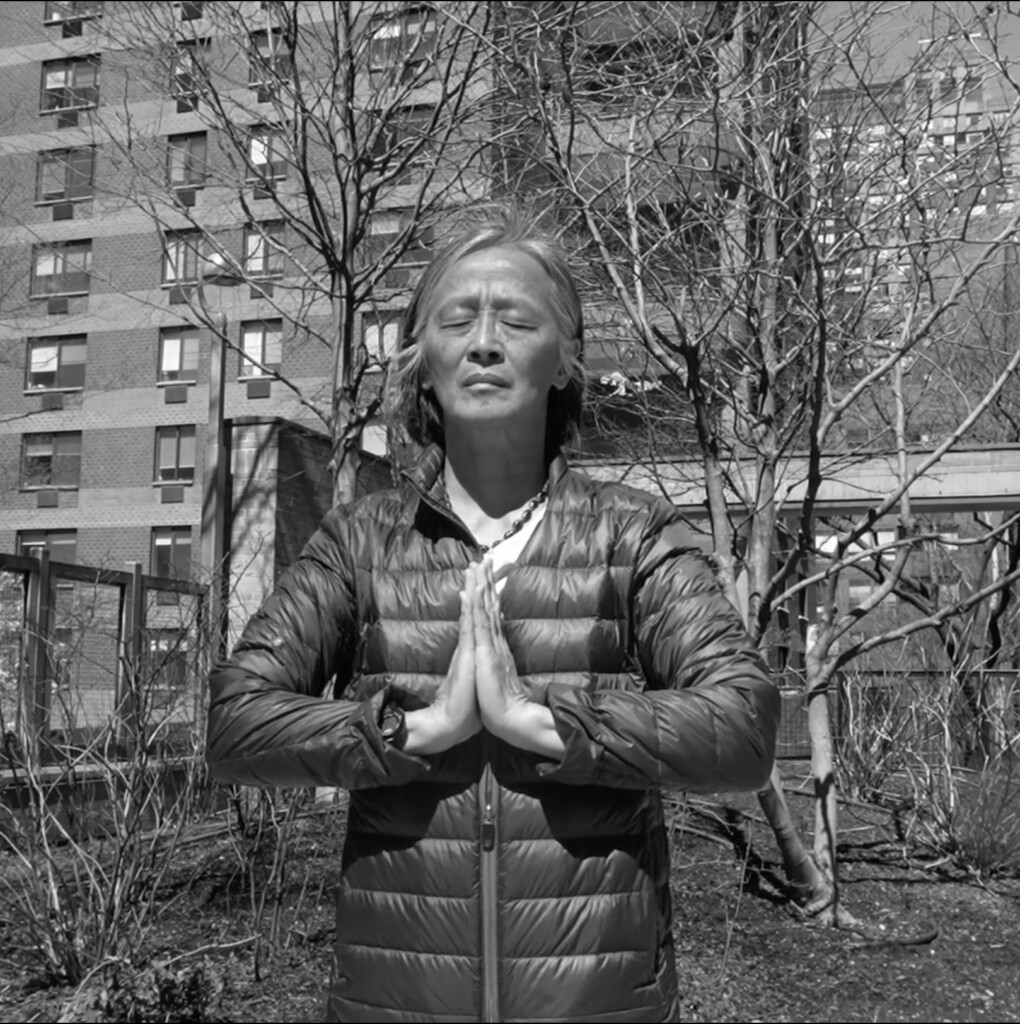
Before meeting a client, Chang performs a grounding ritual she calls “becoming an empty vessel.” She breathes deeply, sets aside her own worries, and centers herself so she can be fully present. This practice reflects her core belief: to serve the dying well, you must first quiet your own mind.
From Personal Loss to Purpose
Like many doulas, Chang entered the field after profound loss. Within a single year, she lost her father, her mother, and her mother-in-law. Two of those deaths were painful, chaotic experiences that left her feeling powerless. That heartbreak sparked questions that changed her life: Is this what death is? What could I have done differently for my loved ones? Why wasn’t there someone to help me through this?”
A Scientist’s Path to Compassionate Care
Chang’s background is anything but typical. She holds a Ph.D. in organic chemistry from Stanford and once worked in new-drug design and environmental cleanup. Rather than accept doula methods on theory, she tested them—volunteering in hospice to see if the skills truly worked. They did. In 2019, she founded her private practice, Till The Last.
Dying Is Still Part of Living
Chang doesn’t try to make death “beautiful” or “sacred.” Instead, she helps people stay curious, connected, and engaged until the very end. As she sees it, death may end life, but dying is still a part of living. That philosophy—practical, warm, and deeply human—guides everything she teaches.
Why UVM’s End-of-Life Doula Certificate Leads the Field
Virginia Chang, and UVM’s many other experienced and highly regarded instructors, are one of many reasons UVM’s program has become a trusted name in end-of-life education. The program combines academic strength, real-world expertise, and a supportive community that stays connected long after graduation.
World-Class Expertise Across the Full Spectrum of End-of-Life Care
UVM’s certificate program draws on a uniquely broad range of instructors—professionals with advanced degrees and active careers spanning hospice and palliative care, social services, grief and bereavement, and specialized areas like pediatrics and companion animal loss. That depth of expertise ensures students gain a well-rounded, nuanced understanding of the doula role. Add to that the program’s connection to the Robert Larner, M.D. College of Medicine and UVM’s standing as an R1 research university, and you have a curriculum grounded in both rigorous scholarship and real-world practice.
A Community of 5,000+ Graduates
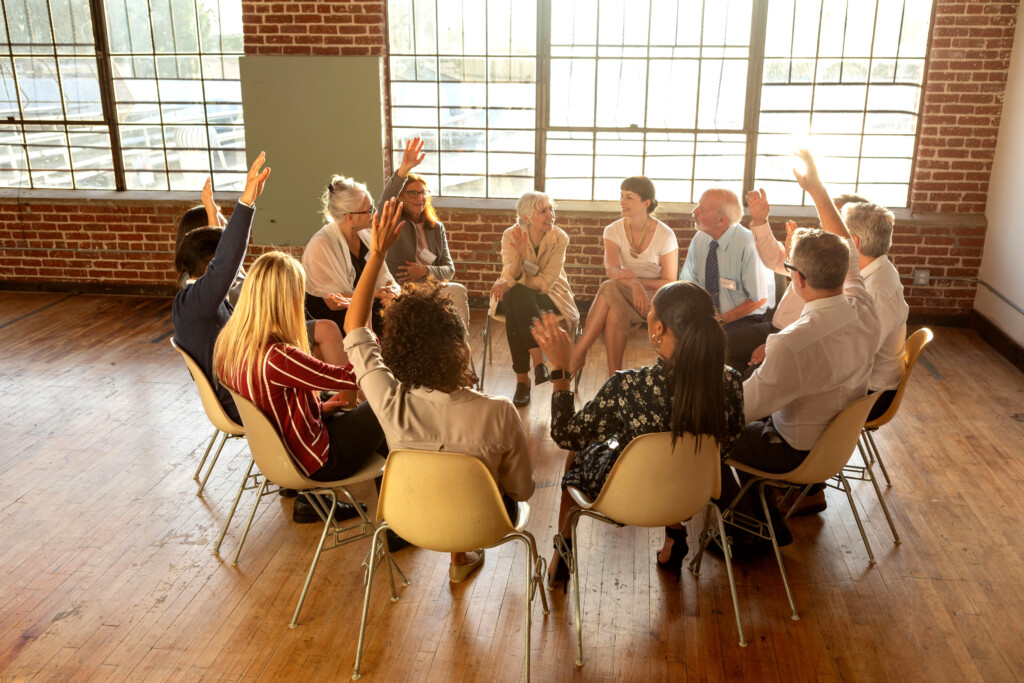
Since 2017, UVM has trained more than 5,000 graduates—a vast, growing network of practicing doulas. But numbers only tell part of the story. Alumni describe a tight-knit community that continues to support one another through:
- A dedicated alumni Facebook group
- Monthly virtual community meetups and networking events
- Learning opportunities for alumni featuring current topics in EOL doula work
- Quarterly newsletters with resources and updates
Multiple Certificates Across End-of-Life Care
End-of-life care isn’t one-size-fits-all. UVM offers a portfolio of specialized certificates so you can focus on the population or need that speaks to you, including:
- Companion Animal End-of-Life Doula
- Pediatric End-of-Life Doula Specialist
- Grief and Bereavement Specialist
- Doula Business Foundations Certificate
- End-of-Life Dementia Care
- Pet Loss Grief Support Specialist
- Childhood Grief Support
Connection to Integrative Health
Graduates also can join the Osher Center for Integrative Health at UVM community. This opens doors to lecture series, networking events, and a professional directory that helps alumni build visibility and connect with the broader integrative health field.
FAQ: End-of-Life Doula Work, Answered by Virginia Chang
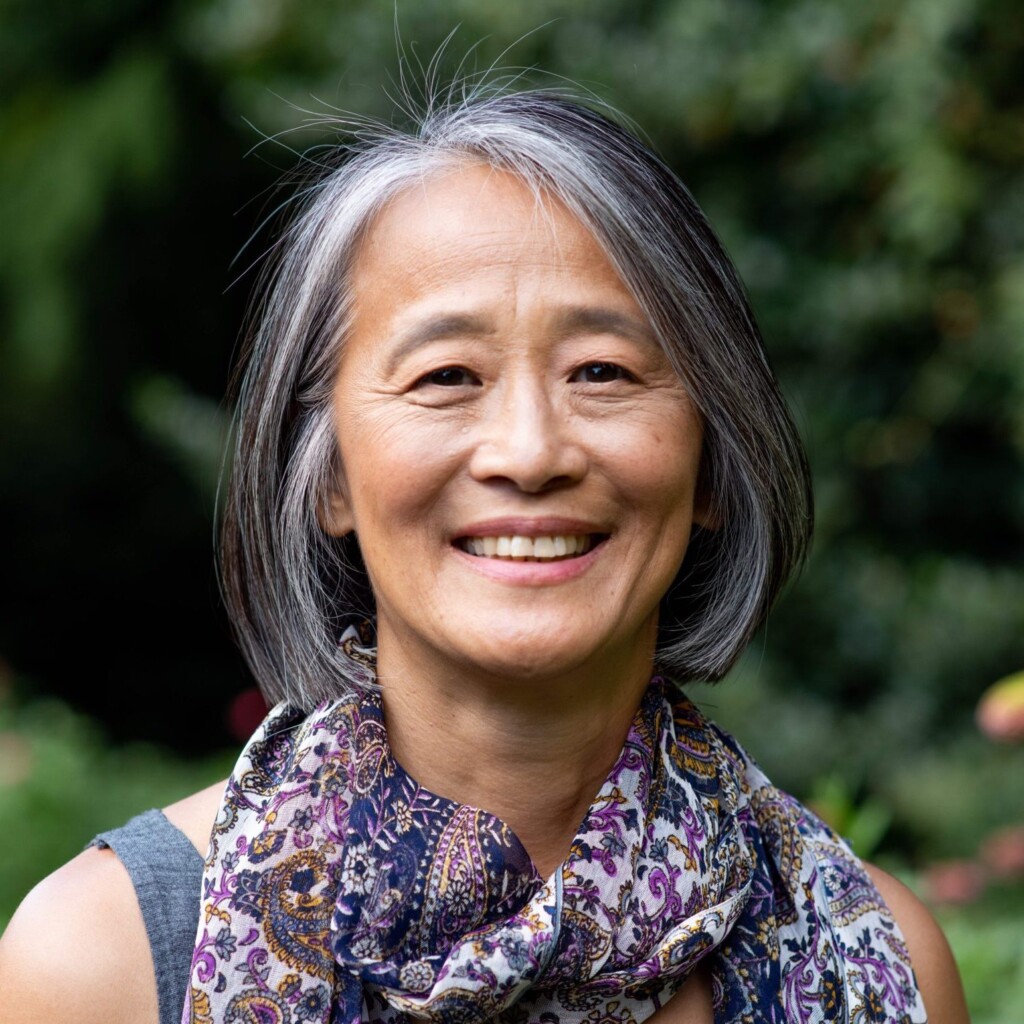
The following answers reflect Virginia Chang’s perspective and expertise as a UVM instructor and practicing end-of-life doula.
What does an end-of-life doula do, and how does UVM’s program stand out?
An end-of-life doula guides, supports, companions, and educates people who are dying and their families and caregivers. It is a nonmedical role, which may include tasks such as exploring a client’s wishes and preferences, guiding meaningful conversations, or being a sounding board through difficult decision-making. At its heart, this work is about offering emotional support in an intense, challenging time at the end of life.
UVM’s program stands out by combining academic rigor with practical, experiential coursework, thereby equipping students with the skills and knowledge to make a real difference in this meaningful field.
How did your journey start, and how might this help someone consider end-of-life doula training?
My path to end-of-life doula work began through personal trauma — witnessing horrible deaths in my loved ones and wondering what I could have done differently. This began a journey of healing for myself. It turned into a journey of developing a relationship with and understanding the concepts of death and dying, and what they meant to me. Along the way, I discovered the role of end-of-life doulas. In the end, I realized that I couldn’t change what had happened to my loved ones, but I could make a difference for others, so they wouldn’t have to go through what I went through. In essence, I became an end-of-life doula to provide the support, information, and presence that no one had done for me.
If you’ve ever sat with a parent, grandparent, child, or friend who was dying, you know how meaningful — and hard — those moments can be. If you feel comfortable in those moments or have become the “go-to” person in your community for times like these, then this work may be calling you. Whether you’re a nurse, social worker, chaplain, caregiver, or simply someone searching for a more meaningful path, all you need is a genuine desire to serve others with presence and compassion to become an end-of-life doula.
Have you experienced anything through your active work or practice that really showcased why UVM’s End-of-Life Doula program is unique?
There are lots of end-of-life doula trainings out there, especially after COVID-19. In fact, many of our former students have developed their own training programs modelled after UVM’s program, which started in 2017. Yet, UVM’s End-of-Life Doula program stands out for its rigorous, academic, practitioner-led curriculum. The program is comprehensive and covers a wide range of topics to a surprising depth.
However, what makes this program truly unique is its focus on “doing your own work first before showing up for others.” You cannot doula someone else through the dying process if you haven’t developed your own relationship with death. Through UVM’s coursework, discussions, and assignments, students are asked to confront their own mortality and do their own inner work. Many students remark that the course was not what they expected and instead personally life-transforming. The depth of the program and the support offered by instructors truly brings a new level to compassionate teaching.
How do you approach end-of-life work?
I approach end-of-life by not knowing. Not knowing anything about who you are or the situation. Many doulas I know Google their clients; I never do that. I want to get to know you as you are now, at this stage of age or illness, with whatever abilities and capabilities you have. I want to meet you where you are and learn about you as you are. By coming in with this level of not knowing, it sets the foundation for openness and trust in a relationship. Some would identify this as the Zen concept of Beginner’s Mind or Roger’s concept of Unconditional Positive Regard. I incorporate both into my approach, but in the end, it’s also about being human and making a human-to-human connection.
Do you have any stories about your students who succeeded through this certificate, and how they’re applying it to their career or passion?
Many of my former students have gone on to practice as end-of-life doulas. They stay in touch with me and share stories of meaningful support with a client or breakthroughs in the death taboos within their communities. One student recently emailed me to say that she had given her first local community presentation/discussion group on end-of-life issues, including what a doula can do. The folks were so happy to talk about death and what a doula can offer; she said it was very well received. And many other students don’t become end-of-life doulas, but they use the doula skills and approaches in their own complementary practices to enhance their work, resulting in better massage therapists, yoga instructors, Reiki practitioners, and the like. It’s great to see the ripple effect of compassionate end-of-life work.
Do I need experience to become an end-of-life doula?
No prior experience is required. We do see many students from related healthcare fields, such as nurses, chaplains, home health aides, healthcare administrators, and even retired physicians. However, there are also many who come from entirely different fields, which include teachers, lawyers, corporate types, and even artists. I trained as a scientist and was a stay-at-home mom before coming to this work. What you need is a willingness to serve, show up, and be present.
How do I know if this career is right for me?
You won’t know if this career is right for you before trying. So that’s what you have to be willing to do — try. Even if you accompanied your parent or grandparent or someone you know as they died, that doesn’t mean you’ll be good at this. Being an end-of-life doula is showing up for strangers, being present with others during their hard moments. But don’t think of this as a career; this is a path of personal growth that will have a profound effect on yourself and those that you serve. It may turn into a career, but don’t make it the goal.
Can end-of-life doula skills complement my current work?
Absolutely. These skills strengthen the work of whatever you already do. Whether you are hospice staff or a home health provider, holistic practitioner, social worker, or spiritual care provider. End-of-life doula skills are human skills for communicating and interacting with one another. You don’t have to be at end of life to utilize them.
Take the Next Step in Compassionate Care
Virginia Chang’s story shows how meaningful end-of-life work can be—and how far a single act of presence can ripple outward. UVM’s End-of-Life Doula Certificate gives you the skills, community, and confidence to answer that same calling. With expert instructors, specialized certificates, and thousands of supportive alumni, you’ll join a movement that’s reshaping how we care for the dying. Ready to begin? Explore UVM’s End-of-Life Doula Certificate program and take your first step today.