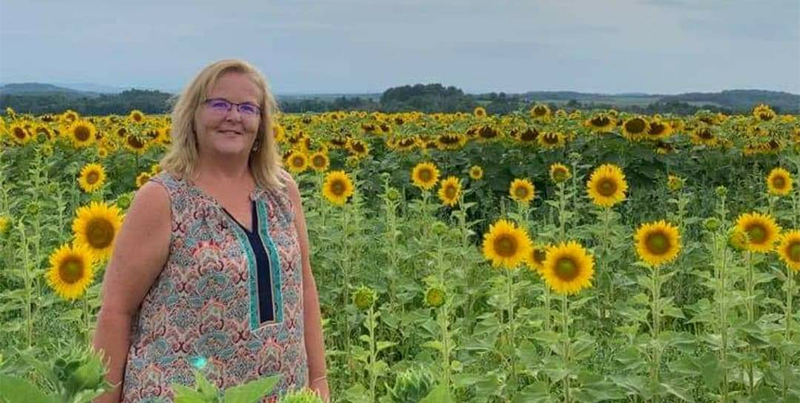

The University of Vermont’s acclaimed End-of-Life Doula Certificate Portfolio –including End-of-Life Doula Professional, Companion Animal, Pediatric Specialist, Grief & Bereavement Specialist, and Doula Business Foundations— has a new team leader at its helm. We are excited to introduce Julie Raymond-Yakoubian, PhD, a cultural anthropologist with deep expertise in community health, Indigenous knowledge systems, and collaborative research.
As the new Team Lead, Julie brings a wealth of experience and a unique perspective to this vital field. We sat down with her to discuss her background, her vision for the program, and what makes the role of a death doula so important today.
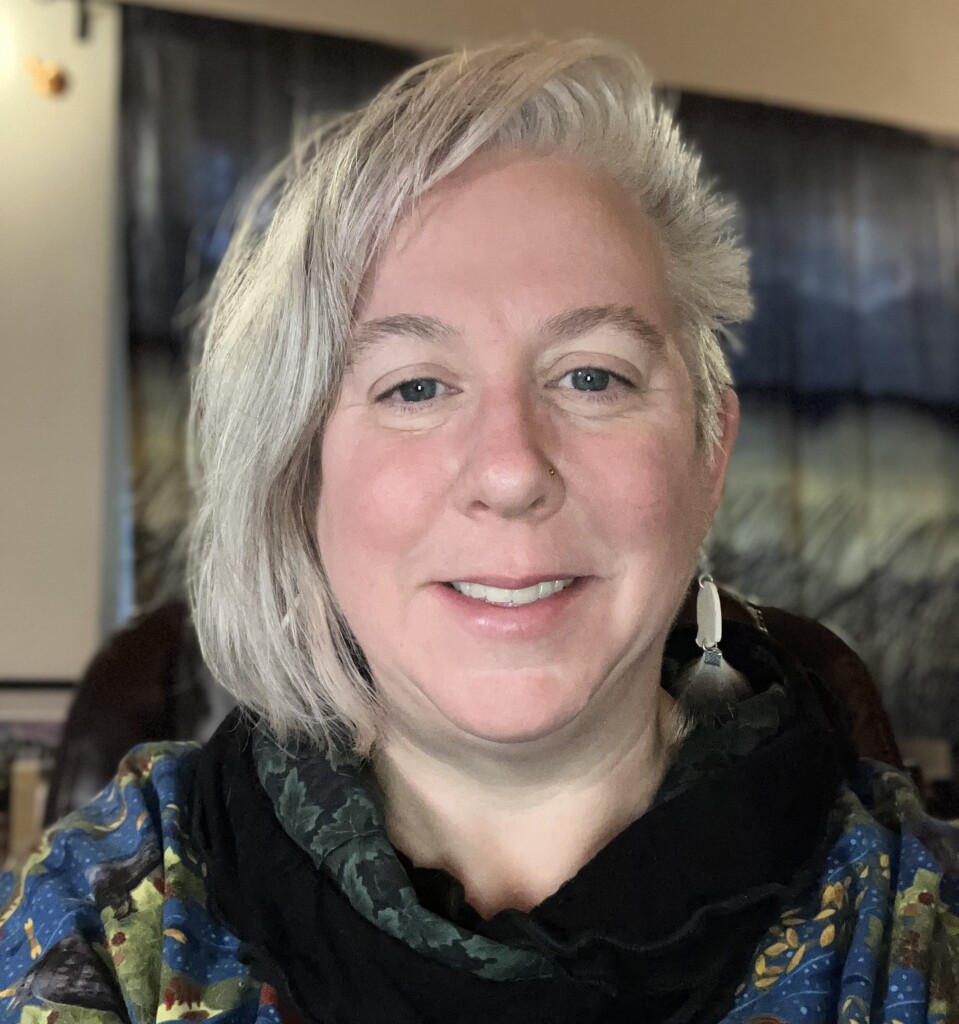
Meet Julie Raymond-Yakoubian, PhD, new Team Lead for End-of-Life Doula Care Programs at UVM
Q: What is your professional background?
A: “In addition to being an end-of-life doula and home funeral guide, I am a cultural anthropologist, and much of my work has centered on collaborating with Indigenous communities in Alaska. My focus has been on documenting Indigenous knowledges, particularly related to environmental changes and community health and well-being.
For the past two decades, I’ve worked for an Alaska Native non-profit organization, leading a program that built bridges between Indigenous communities, researchers, other non-profits, and government agencies. This role involved a lot of listening, relationship-building, and working to ensure that different ways of knowing were respected and integrated into projects, policies and decision-making.”
Q: What drew you to the End-of-Life Doula program at UVM?
A: “The principles of being an end-of-life doula deeply resonate with my work in anthropology. Both fields require deep listening, cultural humility, and the ability to hold space for people during significant life transitions. Being a doula is about honoring an individual’s story, values, and wishes without judgment. It’s about companioning someone through a sacred time.
My work has always involved navigating complex social and emotional landscapes, and I see a direct parallel in the compassionate service that doulas provide. The UVM program stands out for its comprehensive and heart-centered approach, and as a graduate of the End-of-Life Doula and Companion Animal Doula Courses I was drawn to the opportunity to contribute to this meaningful work.”
Vision for the UVM End-of-Life Care Portfolio
Q: What is your leadership philosophy for this program?
A: “My philosophy is grounded in collaboration, respect, and continuous learning – and it’s important to acknowledge the importance of the work of others that came before me. I believe in fostering a supportive and inclusive environment where every student feels seen and valued.
For a program that teaches compassionate care, it is essential that the learning environment models that same compassion. I aim to lead with integrity and authenticity.
My goal is to empower our instructors and students, ensuring they have the resources and support needed to succeed. An important part of this is listening to feedback and being responsive to the evolving needs of our learning community and the field of end-of-life care itself.”
Q: What are your goals for the UVM End-of-Life Doula program?
A: “My primary goal is to maintain and enhance the program’s reputation for excellence. We already have a strong foundation, and I want to build on that by continuing to offer a robust and relevant curriculum delivered by experienced and committed instructors. This includes ensuring our content reflects the latest best practices and addresses the diverse needs of the populations our graduates will serve.
I am also passionate about fostering a strong sense of community among our students and alumni. This is more than just an academic program; it’s a network of dedicated professionals. I want to create more opportunities for connection, and ongoing professional development for everyone who earns a UVM doula certificate.”
The Role of a Death Doula
Q: Why do you think the role of an end-of-life doula, also known as a death doula, is gaining more recognition?
A: “I think here in the US, we are starting to have more open conversations about death and dying. For a long time, it was a topic many people avoided. There is a growing recognition that dying is a natural part of life and an awareness that the experience can be improved with non-medical, holistic support.
A death doula fills critical gaps in the care system. While medical professionals focus on the physical aspects of illness, a doula focuses on the emotional, spiritual, and practical needs of the dying person (or companion animal) and their family. This person-centered approach provides comfort, reduces fear, and can help people navigate their final chapter with dignity and peace.
The growing interest reflects a collective desire for a more humane, meaningful and compassionate end-of-life experience. Doulas are able to spend more time with their clients than medical professionals typically are able to, allowing us to delve deeply into the issues and needs of a dying person.”
Q: What makes UVM’s program unique?
A: “The UVM program distinguishes itself through its comprehensive curriculum, experienced instructors, and strong emphasis on the practical and ethical aspects of doula work. We don’t just teach theory; we prepare our students for the real-world complexities of this role.
Our program is also fully online and asynchronous, which makes it accessible to working adults and non-traditional students from anywhere in the world. This flexibility allows people to pursue this calling without uprooting their lives.
Furthermore, the UVM doula certificate carries the weight of a respected R1 research university, giving our graduates credibility as they enter the field. It’s a rigorous program that truly prepares individuals to serve their communities with skill and compassion.”
Q: How does the depth of knowledge and experience of the expert instructors enhance the program?
A: “One of the strengths of our program is the varied and deep experiences of our instructors. We have instructors with extensive backgrounds in grief and bereavement, supporting companion animals and their humans, pediatric care, and several other specialties.
Each instructor brings a wealth of expertise to the classroom, enriched by their own unique career and education journeys. No two instructors have walked the same professional path, and this diversity adds tremendous value to the program.
As a result, students benefit from a broad range of perspectives, receive tailored feedback, and gain insights that prepare them for the many different situations they may encounter as end-of-life doulas.”
Q: How can training as an end-of-life doula enhance the skills and perspective of healthcare professionals?
A: “Training as an end-of-life doula equips healthcare professionals to deliver truly compassionate care. By focusing on the emotional, spiritual, and practical needs of patients and their families, professionals develop a holistic, person-centered approach that complements clinical expertise.
This training fosters deeper empathy, active listening, and a greater sensitivity to the unique needs of individuals facing significant life transitions, ultimately enhancing their ability to support and connect with those they serve.”
Looking Ahead
Julie Raymond-Yakoubian’s leadership marks an exciting new chapter for the UVM End-of-Life Doula Certificate program. Her unique background and collaborative vision will undoubtedly enrich the experience for future students and strengthen the program’s impact on the growing field of end-of-life care.
“I believe in fostering a supportive and inclusive environment where every student feels seen and valued. For a program that teaches compassionate care, it is essential that the learning environment models that same compassion.”
If you feel called to support individuals and families during one of life’s most profound transitions, we invite you to learn more about our portfolio of programs. Explore how you can expand your end-of-life care skillset and join a compassionate community dedicated to changing the way we approach death and dying.